
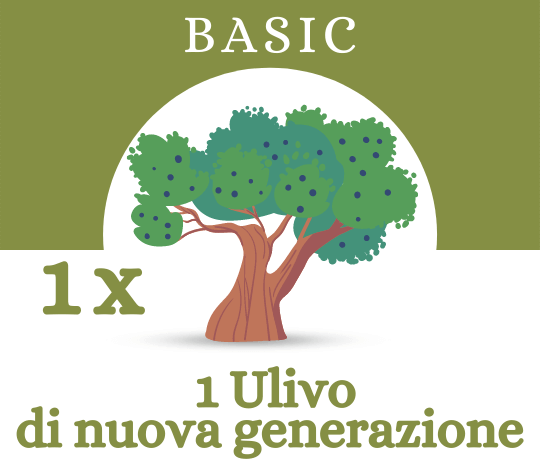
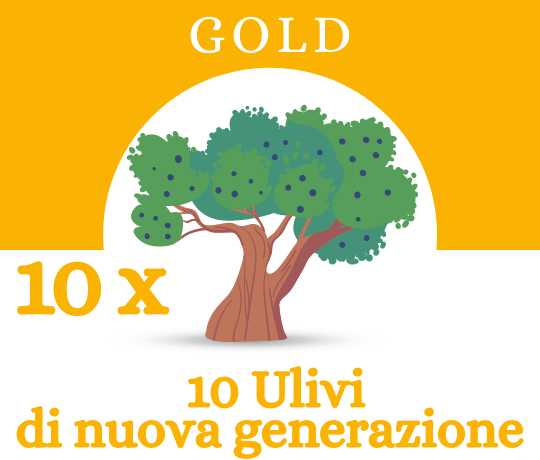
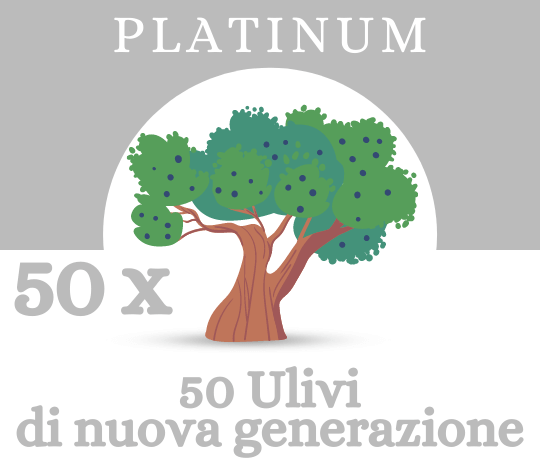
 Age: 1 year
 Plants 1 new Olive tree
 CO2 absorbed: 150 kg/year
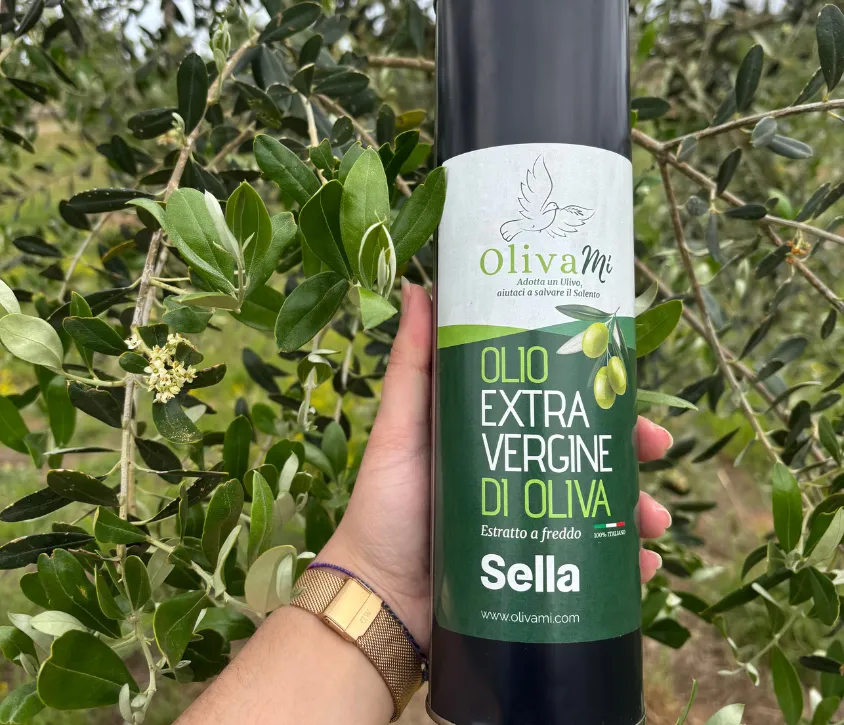
 Evo oil included: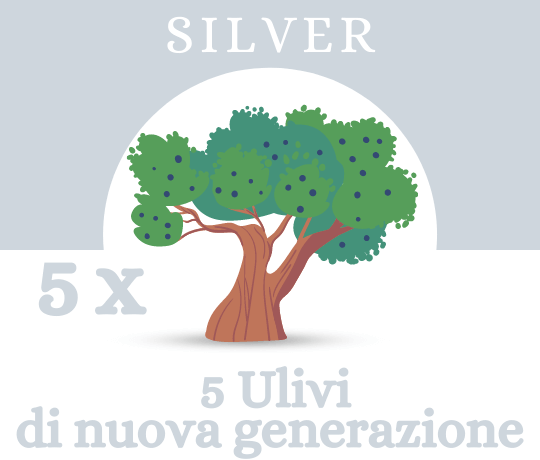



Join us in co-developing agricultural regeneration projects in Italy
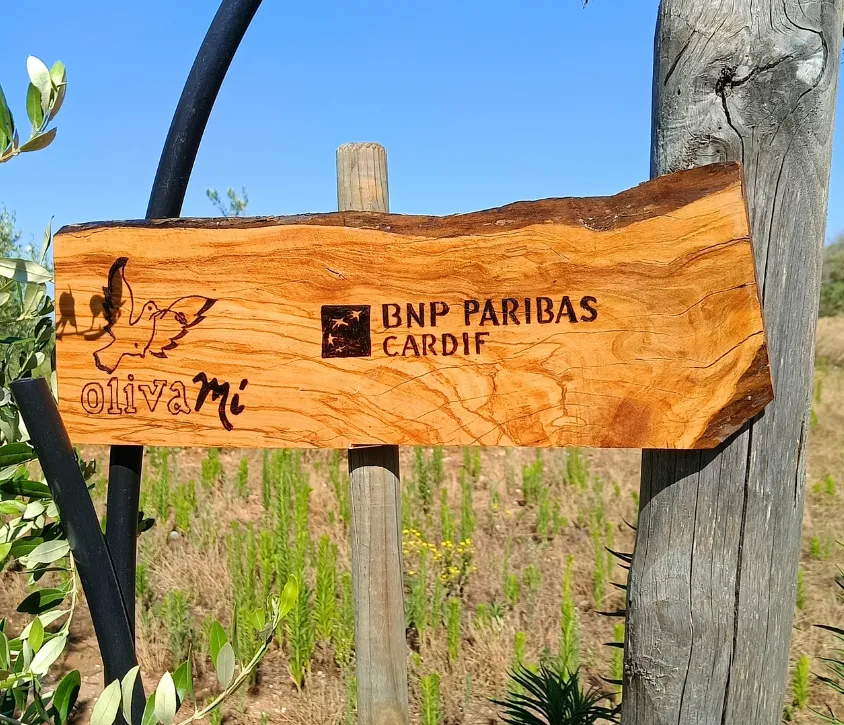
Invest directly in agricultural regeneration in Salento and acquire Climate Assets generated by new olive groves in the Mediterranean, for your corporate offsetting strategy or supply chain insetting.
A model that combines land restoration, sustainable agriculture, and measurable climate benefits.
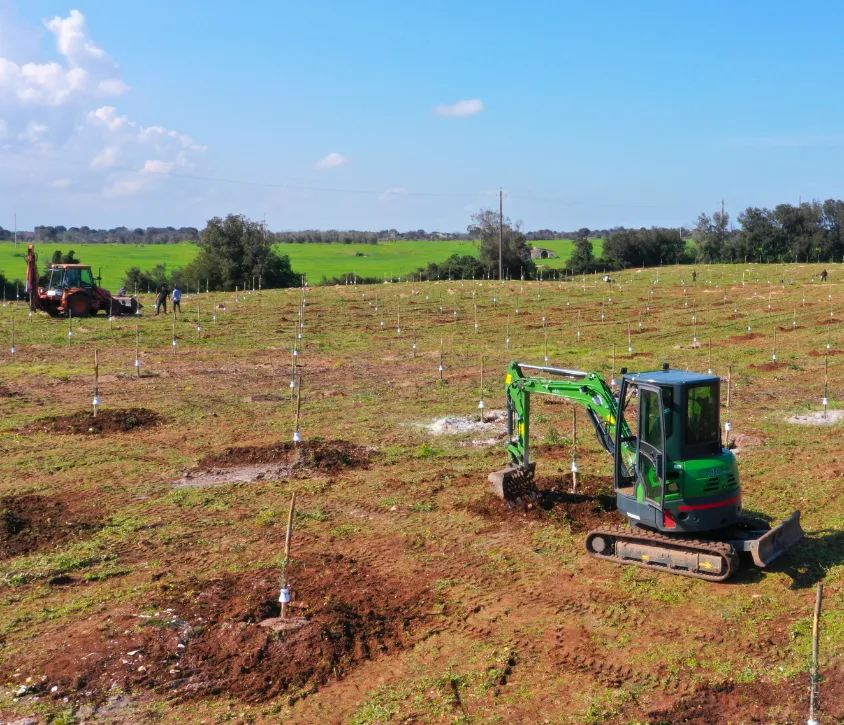















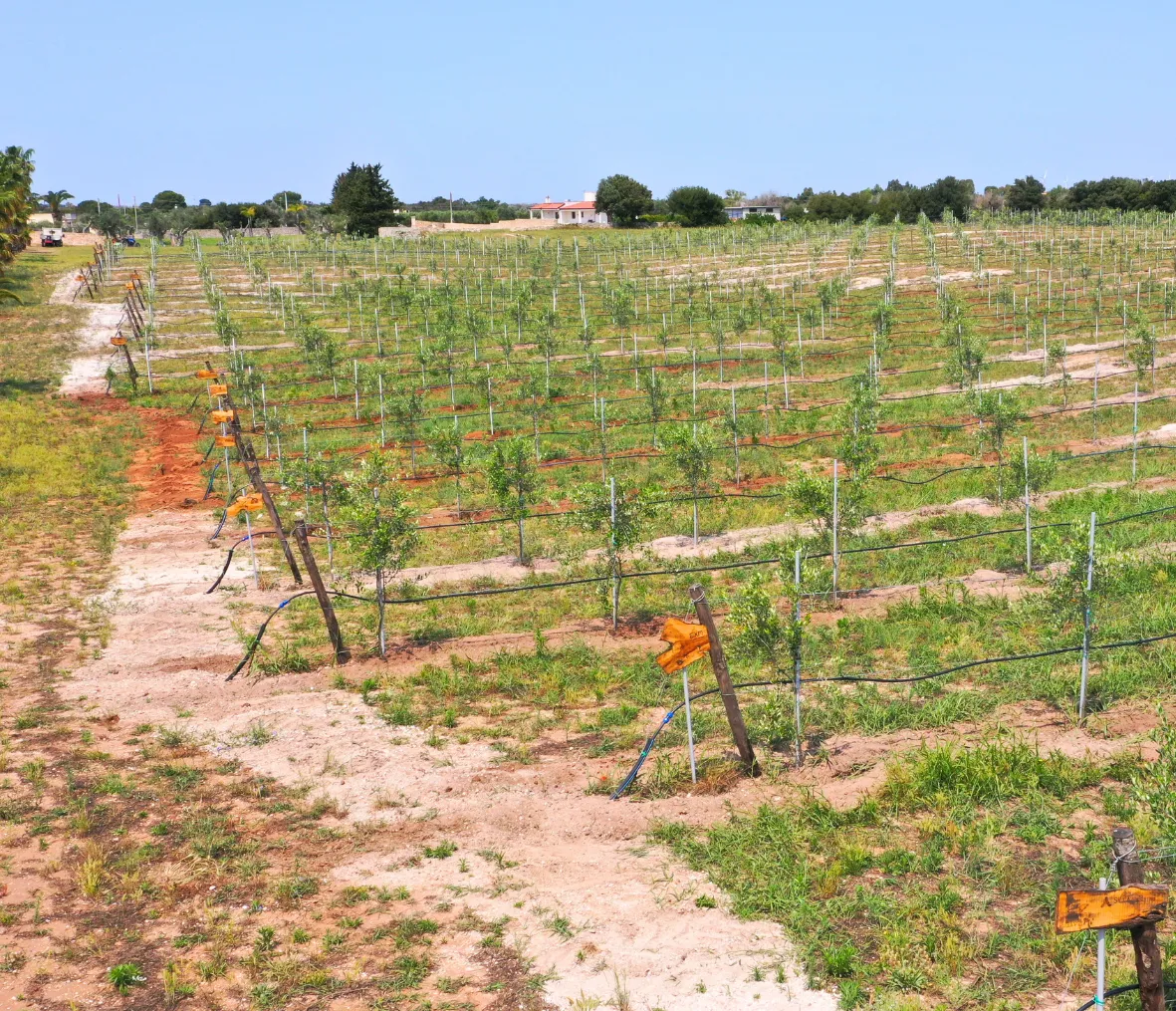
We have developed a model that allows companies to co-finance the creation of new olive groves (planting trees, irrigation systems, etc.) through multi-year partnerships that develop Climate Assets linked to regeneration.
The level of participation can be structured based on corporate objectives, climate strategy, and investment time horizons.
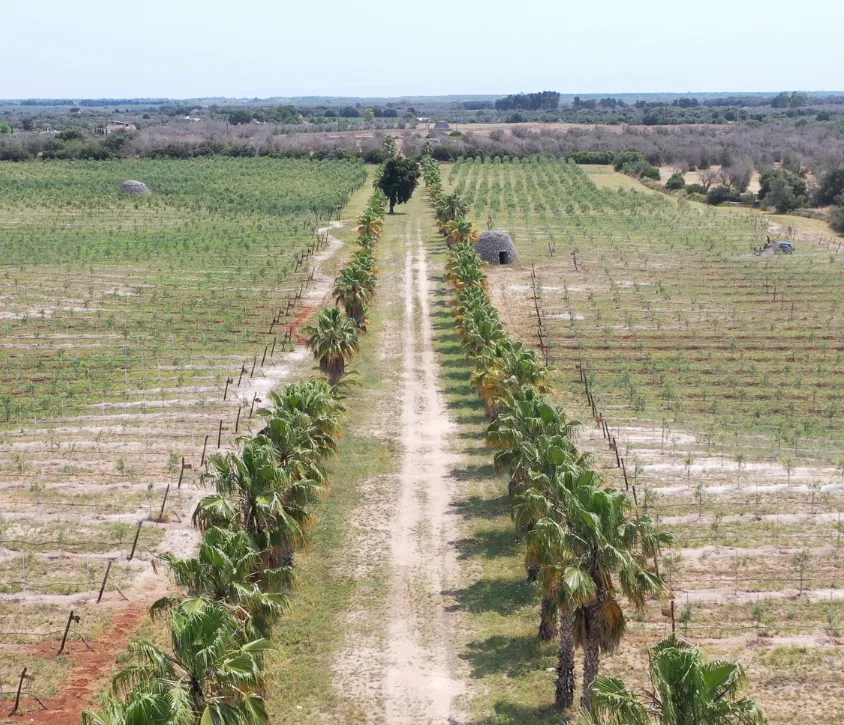
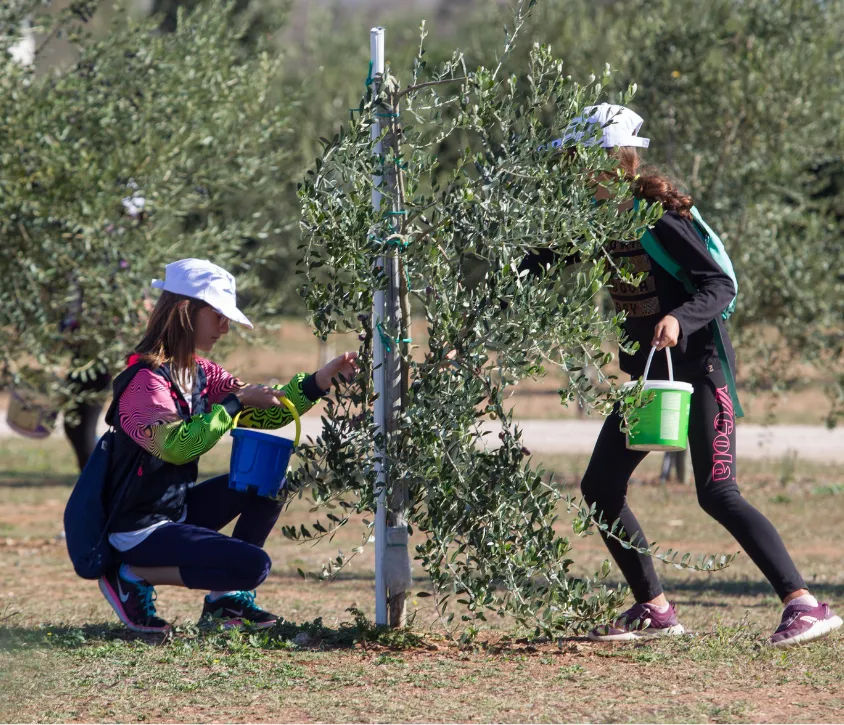
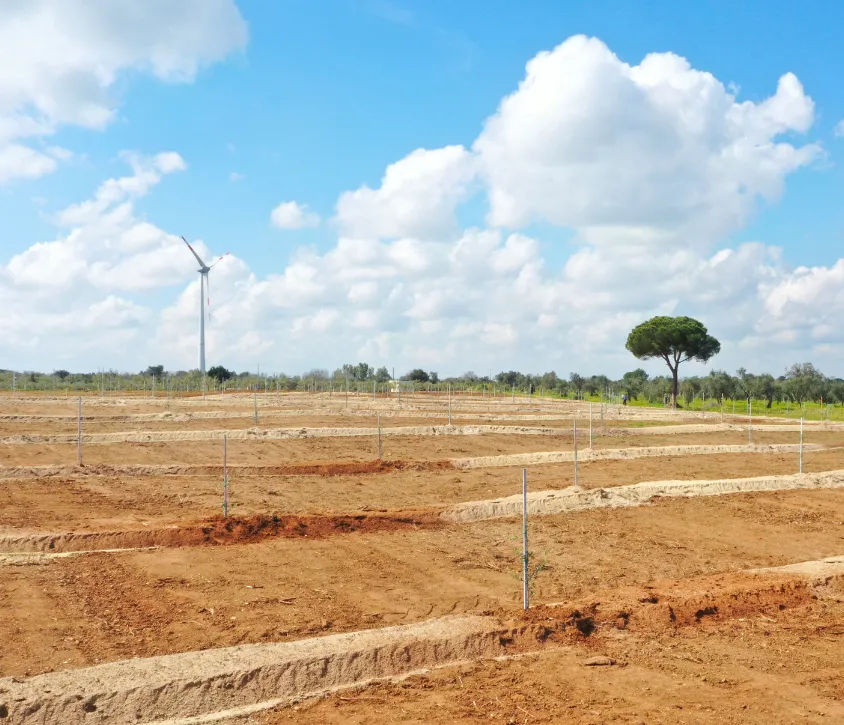
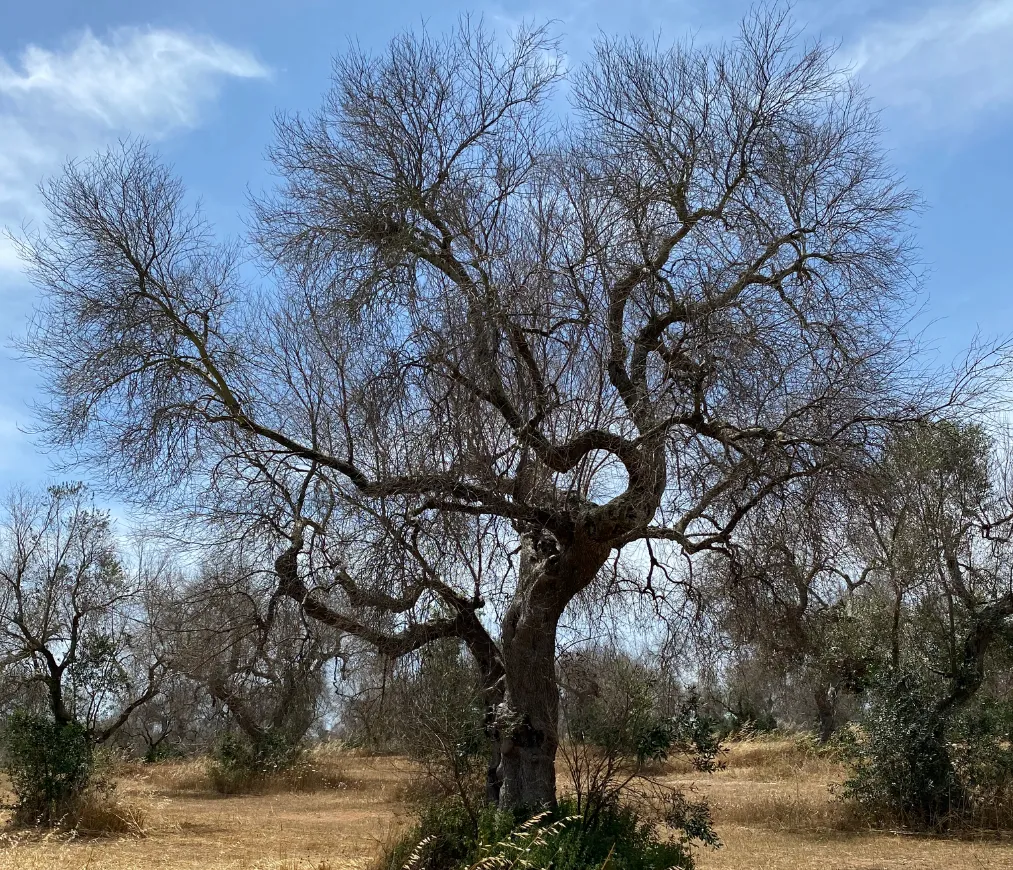
The Mediterranean is one of the regions most vulnerable to the climate crisis
The Mediterranean basin is considered one of the world’s most critical climate hotspots.
Rising temperatures, desertification, biodiversity loss, and crises in agricultural supply chains are profoundly transforming the region.
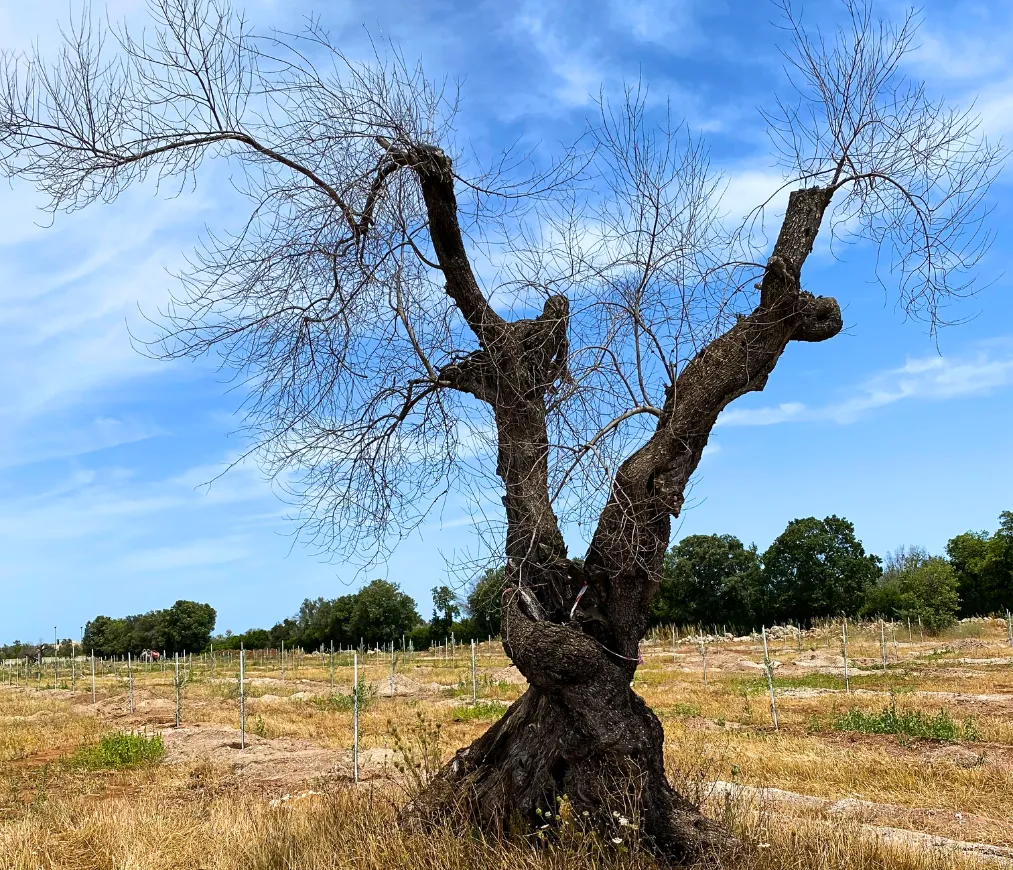
In Salento, the spread of Xylella has accelerated this process: millions of destroyed olive trees have left entire landscapes stripped of their ecological, agricultural, and climatic functions.
Regenerating these areas means not only restoring an agricultural ecosystem, but also rebuilding their natural capacity for carbon sequestration and climate resilience.
Our agricultural co-development model was created precisely with this goal in mind: to transform agricultural regeneration into a concrete and measurable climate initiative.
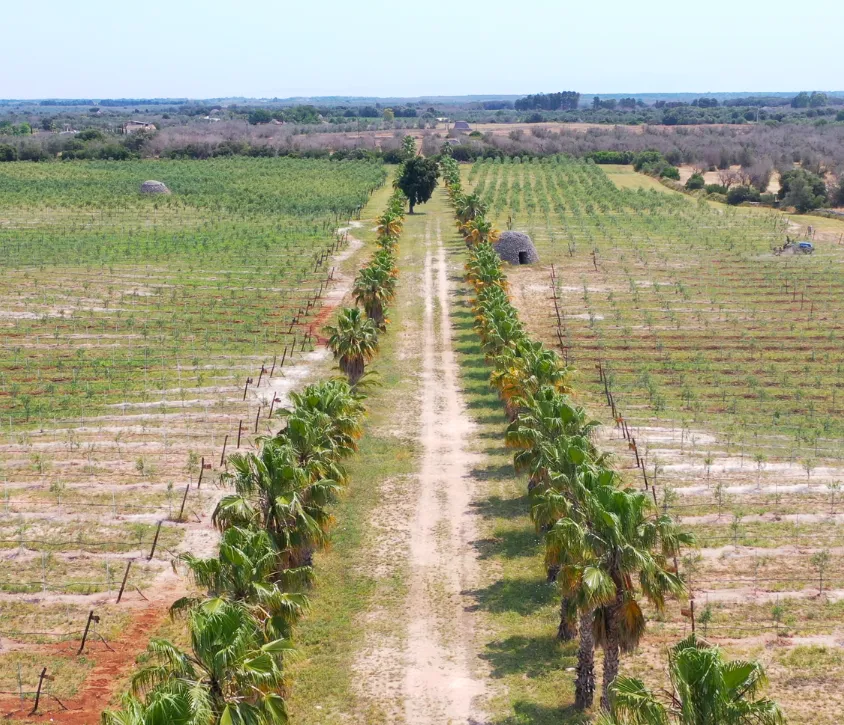
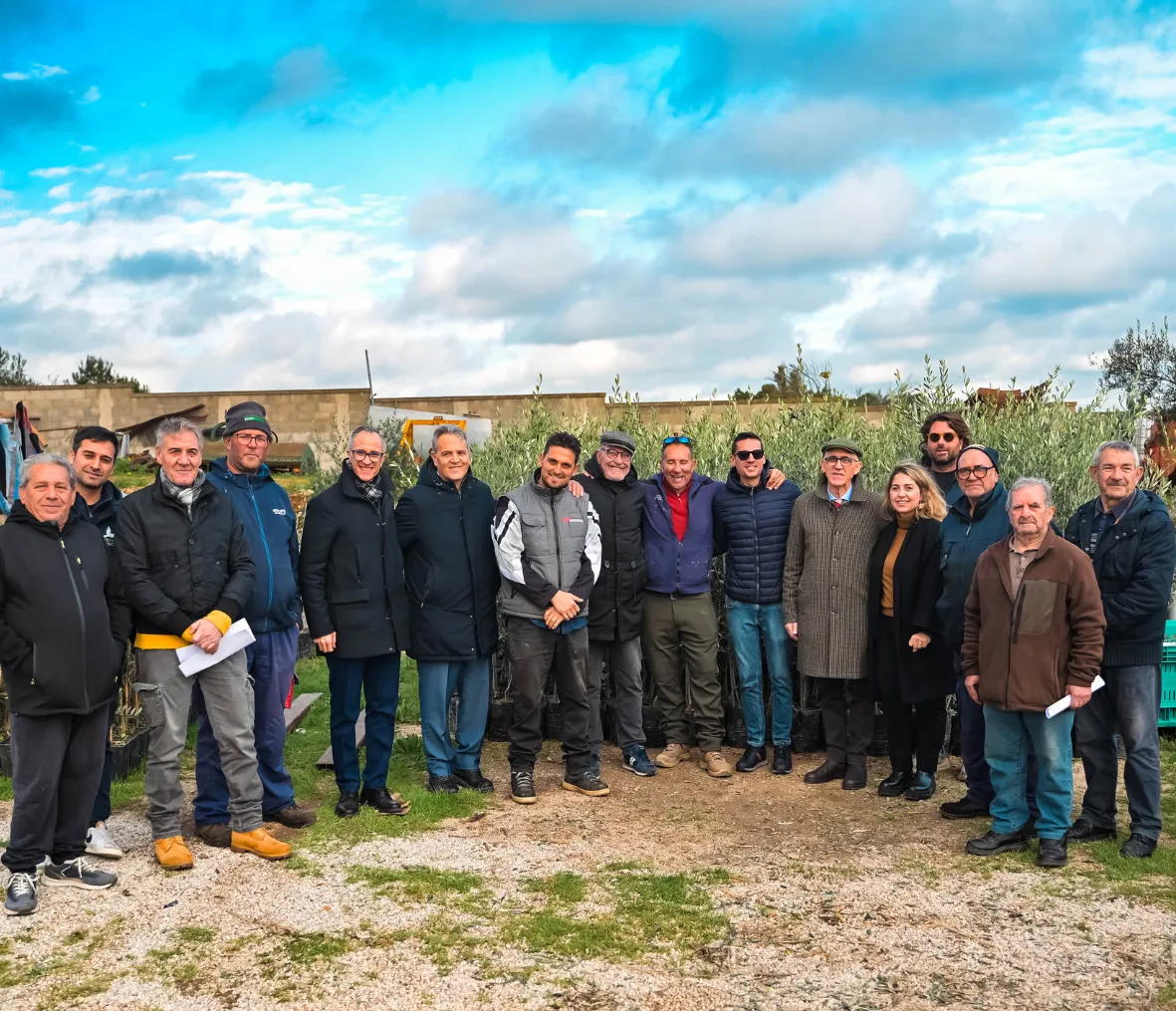
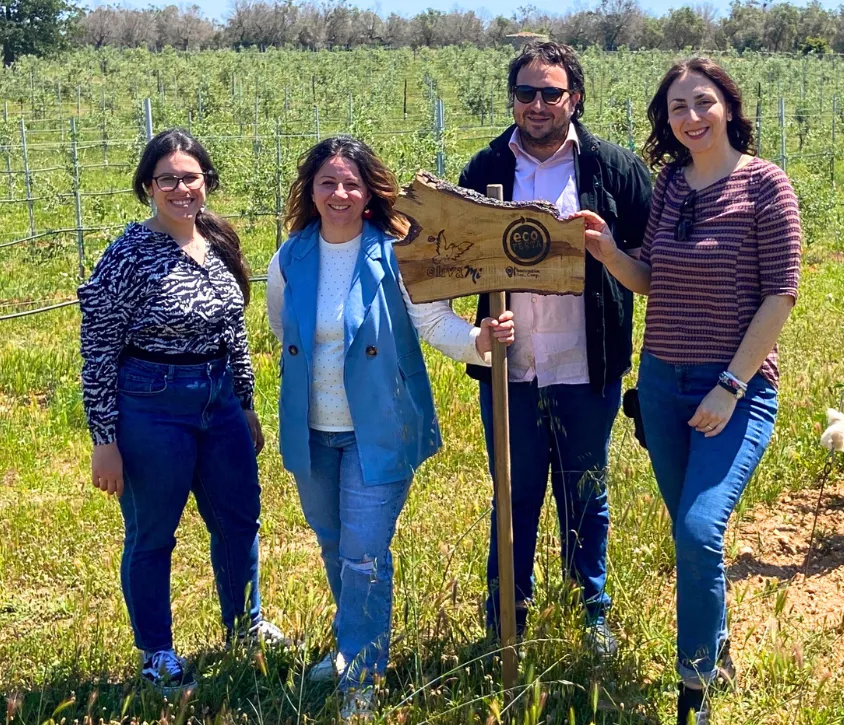
A partnership between businesses, farmers, and the local community
Through our regeneration model, we co-develop initiatives that generate long-term environmental, social, and economic benefits.
Participating companies become part of a true Mediterranean Climate Alliance, contributing to the creation of new agricultural ecosystems capable of:
- absorb CO₂
- regenerate the soil
- support rural communities
- strengthen the region’s climate resilience
- promote the revival of Italy’s olive-growing sector
This isn’t just about supporting a project; it’s about helping to build a new model for Mediterranean climate regeneration.
From the Field to the Sustainability Report
Through specific certification processes, the climate value generated by these facilities can be converted into Climate Assets that participating companies can use in their climate strategies.

Climate Offsetting
Companies can use the carbon credits generated by these projects to offset a portion of their residual emissions that are difficult to reduce.

Insetting in the agri-food supply chains
Companies operating in the agri-food supply chains or in Mediterranean regions can use the project as a climate insetting initiative within their own value chains.

Partnerships for Territorial Regeneration
Businesses can contribute directly to the development of new agricultural facilities and the creation of regenerative ecosystems in Salento.

Stakeholder Engagement
These projects can be used to engage customers, employees, and partners in concrete initiatives related to sustainability and community revitalization.
Climate Assets to Incorporate into Your Climate Strategy
By participating in our projects, your company gains access to Climate Assets generated by concrete agricultural regeneration initiatives.
These assets represent the climate value generated by the project and can be used to strengthen sustainability strategies and environmental reporting.

Measurable climate value
Carbon sequestered by agricultural systems generates quantifiable environmental assets.

Connection to a real-world project
Each asset is linked to specific initiatives in the local area.

Support for the ESG strategy
Assets can strengthen a company’s climate positioning.

A European and regional project
Unlike many global initiatives, this project is rooted in the Mediterranean.
A model designed for companies that want to drive change
The impact we’re making together
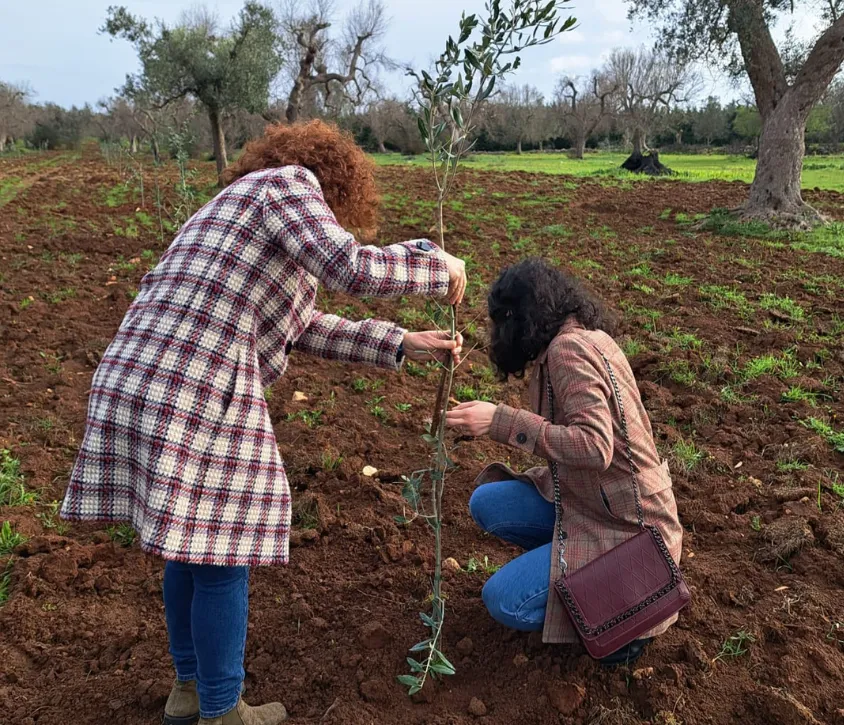
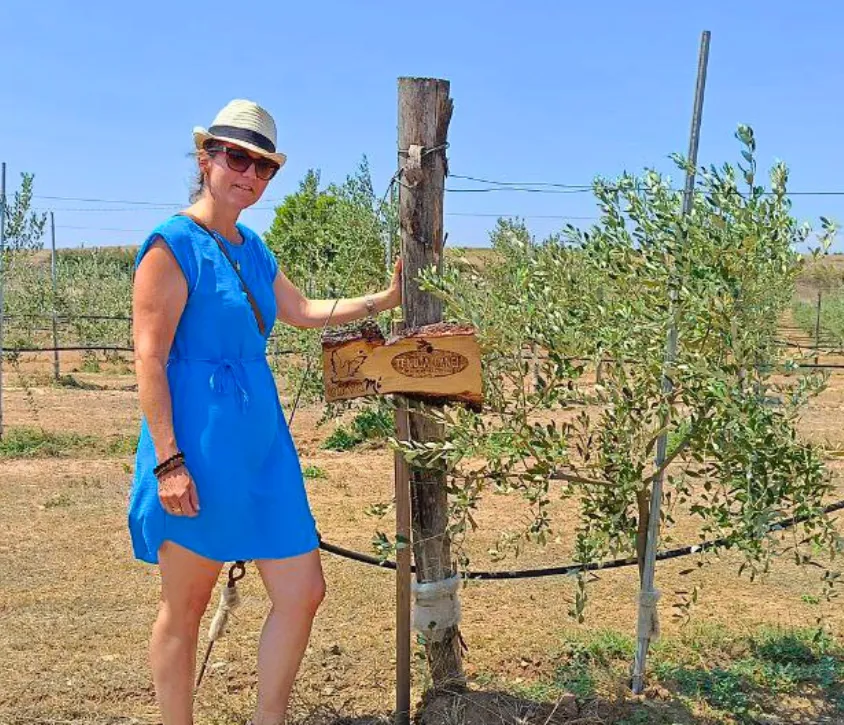
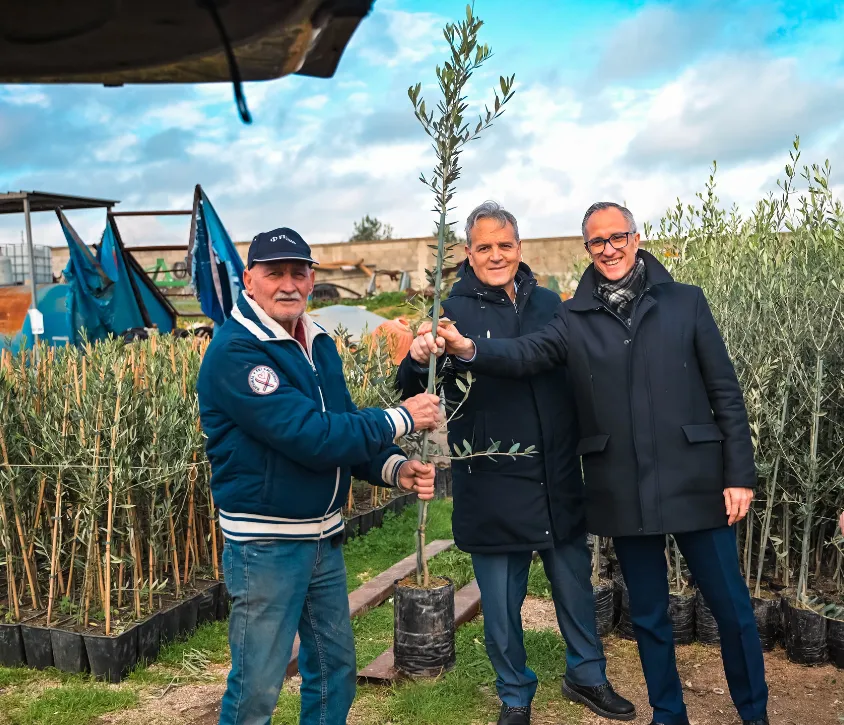
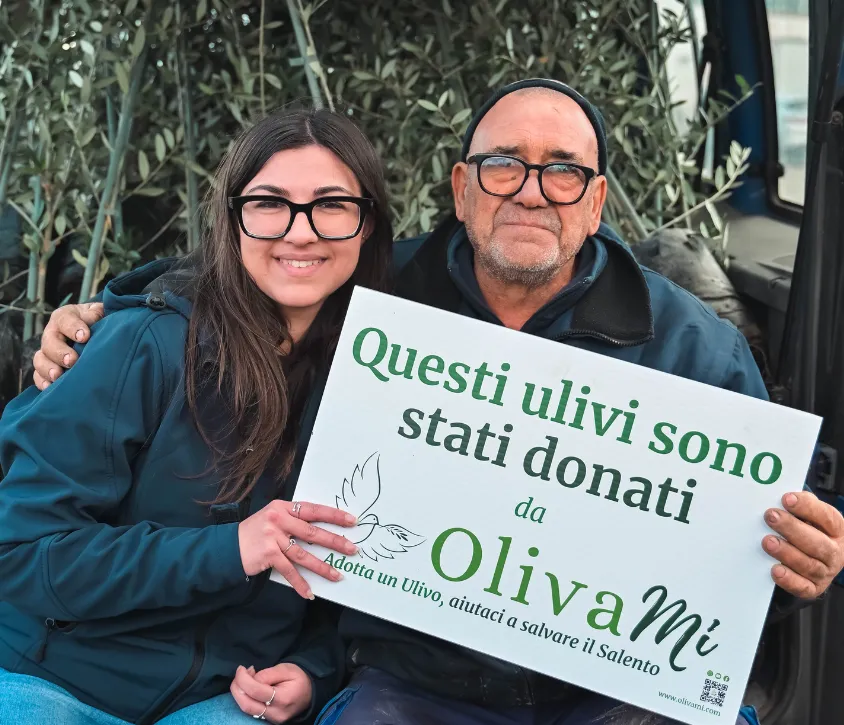
Every company that chooses Olivami helps bring about tangible regeneration—through new olive trees, support for farmers, and new life for the region and Italy’s agricultural economy.

Olive trees adopted

Planted olive trees

Regenerated hectares

Farmers helped


Frequently Asked Questions
Agricultural regeneration projects involve the development of new olive groves and agroforestry initiatives in areas affected by Xylella, with the goal of rebuilding resilient and sustainable agricultural ecosystems. Companies can participate directly in these projects as financial, technical, or institutional partners.
Companies can contribute to the development of these projects through partnerships or direct investments in agricultural regeneration, supporting the creation of new olive groves and the generation of long-term environmental benefits.
These projects contribute to soil regeneration, the restoration of the agricultural landscape, and the CO₂ absorption capacity of new olive groves, generating climate and environmental benefits. They also support the recovery of national olive production, which has declined by 25% over the past 10 years due to Xylella.
Yes. The projects are carried out in collaboration with small-scale local farmers, helping to support families and rural communities and contribute to the development of Salento’s agricultural economy.
Absolutely. New agricultural projects can generate quantifiable climate benefits over time, which—using specific methodologies—can be converted into certified carbon credits. The methodology and standard to be used can be chosen by the company supporting the project.