
 Age: 1 year
 Plants 1 new Olive tree
 CO2 absorbed: 150 kg/year
 Evo oil included:




Introduction – The Legend of the Taranta
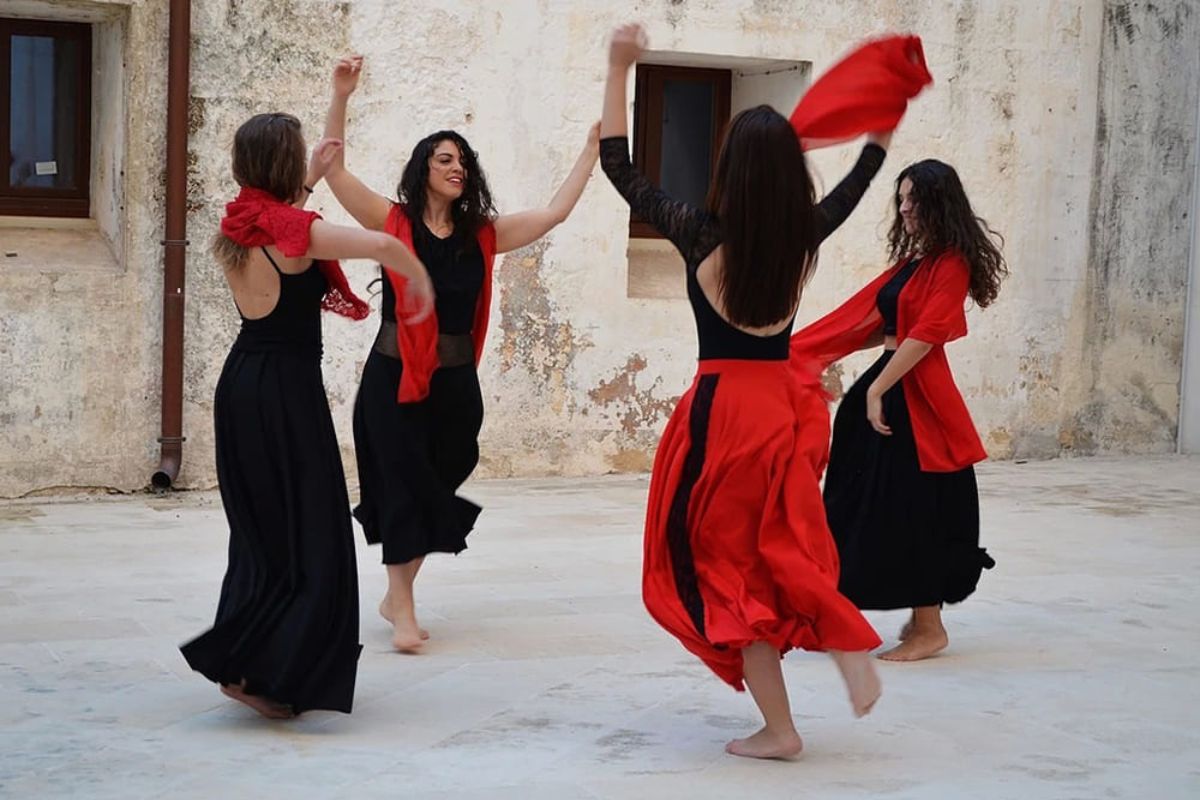
Imagine yourself in the warm, enchanting lands of Salento, in the height of summer, where cicadas sing ceaselessly among the olive trees and traditions intertwine with myths and tales.
Against this backdrop, a legend as mysterious as it is fascinating takes shape: that of the tarantula’s bite, a small spider capable of transforming a simple bite into a whirlwind of music and dance.
It is precisely from the legend of the taranta that the pizzica originates—the traditional dance of Salento that has enchanted generations and continues to make the heart of our land beat.
But what lies behind this intriguing story? Let’s find out together.
The Legend of the Taranta and Its Bite: Tarantism
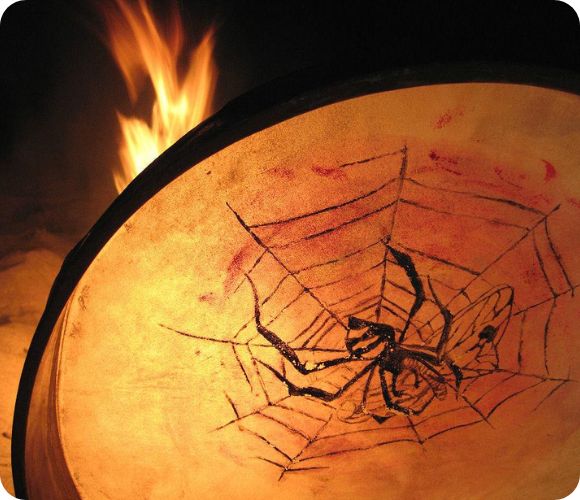
The taranta is a creature that is both fascinating and fearsome: it is a small venomous spider native to Salento.
It is said that, on hot summer days, this small but venomous creature would slither through the wheat fields and among the brush, striking without warning. The tarantula’s bite was feared not only for the physical pain it caused, but also for its psychological effects: victims would fall into a state of deep agitation, a sort of uncontrollable frenzy called Tarantism.
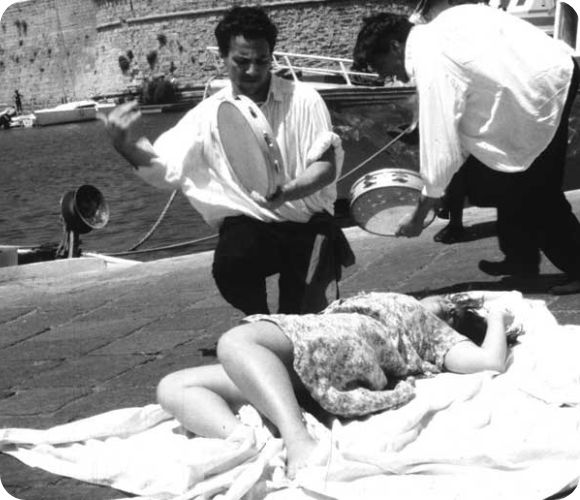
People who were bitten by the taranta began to exhibit symptoms that could be interpreted as a kind of possession: convulsive movements, screams, and an overwhelming urge to throw themselves to the ground and dance incessantly for days on end, in an attempt to rid themselves of the poison.
The Birth of the Pizzica
At the time, doctors did not know how to treat this venomous bite and its extreme symptoms; it was believed that the only way to free victims from tarantism was through rhythm and music.
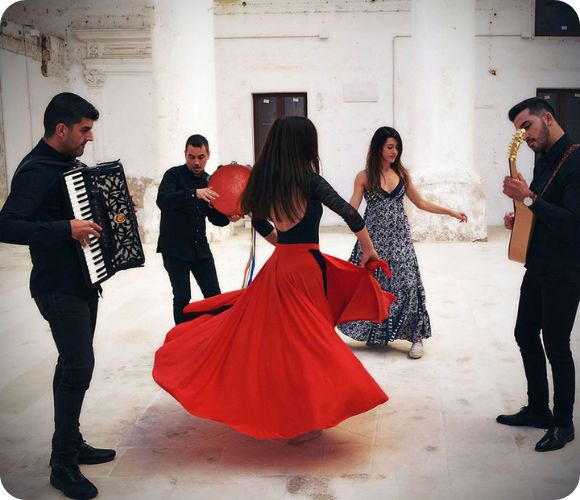
Groups of musicians, consisting mainly of tambourine players and violinists, would gather around the person who had been struck and begin to play a frenetic, rousing tune: the pizzica.
The relentless rhythm and repetitive melodies were intended to stimulate the compulsive dance of the tarantato, who, according to legend, danced for days on end until he reached the point of exhaustion, at which point the poison was expelled from his body and he was cured.
And that is how, according to the legend of the Taranta, the folk dance known as the Pizzica Salentina came to be.
La Pizzica Today
Today, the pizzica is much more than just a dance; it is a symbol of Salento’s culture, an expression of identity and tradition, known throughout the world.
Every summer, the rhythm of the pizzica echoes through the squares and festivals of Salento, drawing thousands of tourists and folk music enthusiasts. The famous“La Notte della Taranta” festival is one of the most eagerly anticipated events, where the pizzica is celebrated in all its forms, from traditional sounds to modern fusions.
The Tarantatour begins in June, and almost every week, singers, musicians, and dancers perform in countless towns throughout Salento, culminating in the world-famous“Concertone de’ La Notte Della Taranta.”
La Pizzica Today
Today, the pizzica is much more than just a dance; it is a symbol of Salento’s culture, an expression of identity and tradition, known throughout the world.
Every summer, the rhythm of the pizzica echoes through the squares and festivals of Salento, drawing thousands of tourists and folk music enthusiasts. The famous“La Notte della Taranta” festival is one of the most eagerly anticipated events, where the pizzica is celebrated in all its forms, from traditional sounds to modern fusions.
The Tarantatour begins in June, and almost every week, singers, musicians, and dancers perform in countless towns throughout Salento, culminating in the world-famous“Concertone de’ La Notte Della Taranta.”