
 Age: 1 year
 Plants 1 new Olive tree
 CO2 absorbed: 150 kg/year
 Evo oil included:




Introduction
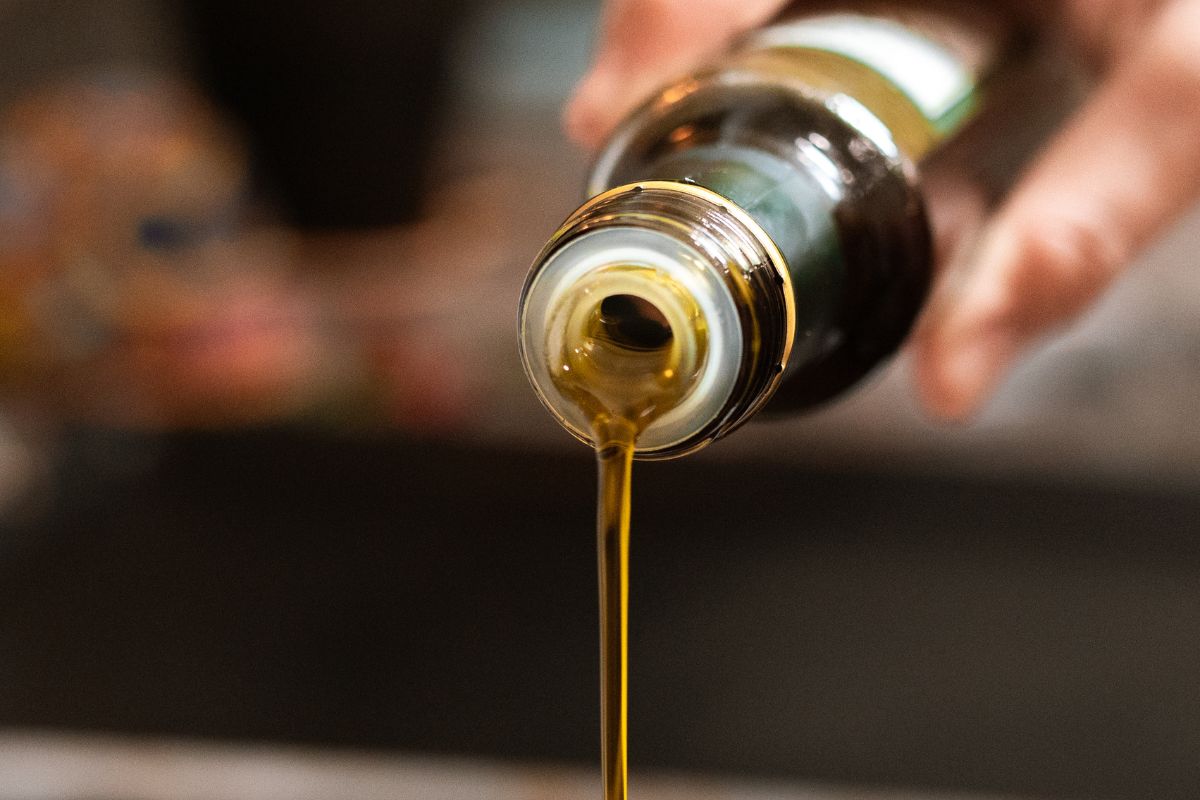
If there is one treasure that nature offers us,it is undoubtedlyolive oil: it goes well with every dish, it is a precious ingredient, but above all, it is known for its intoxicating flavor that everyone loves.
Today we’ll take a journey through the different types of olive oil, exploring (where possible) their subtle flavor profiles and the countless benefits they offer.
But its flavor certainly doesn’t depend solely on the variety, or—as we’ll see later—on its acidity. There are numerous varieties of olive trees, each of which produces olives and, consequently, an oil with notes that are more or less spicy, fruity, or delicate.
Are you curious to learn about the main types of olive oil?
Types of Olive Oil
Olive oil can be broadly divided into three types: Virgin Olive Oil, Extra Virgin Olive Oil, and Lampante Olive Oil. The last type is not edible, but let’s take it one step at a time.
Let’s first take a look at the features of each one.

Extra Virgin Olive Oil (EVO)
Extra virgin olive oil is the most “precious” oil, which we like to call a “true gem.”
Extracted from the first cold pressing of hand-picked olives, this oil retains all the nutritional properties, qualities, aromas, and delicate flavor of the olives.
Extra virgin olive oil is also a high-quality oil rich in antioxidants.
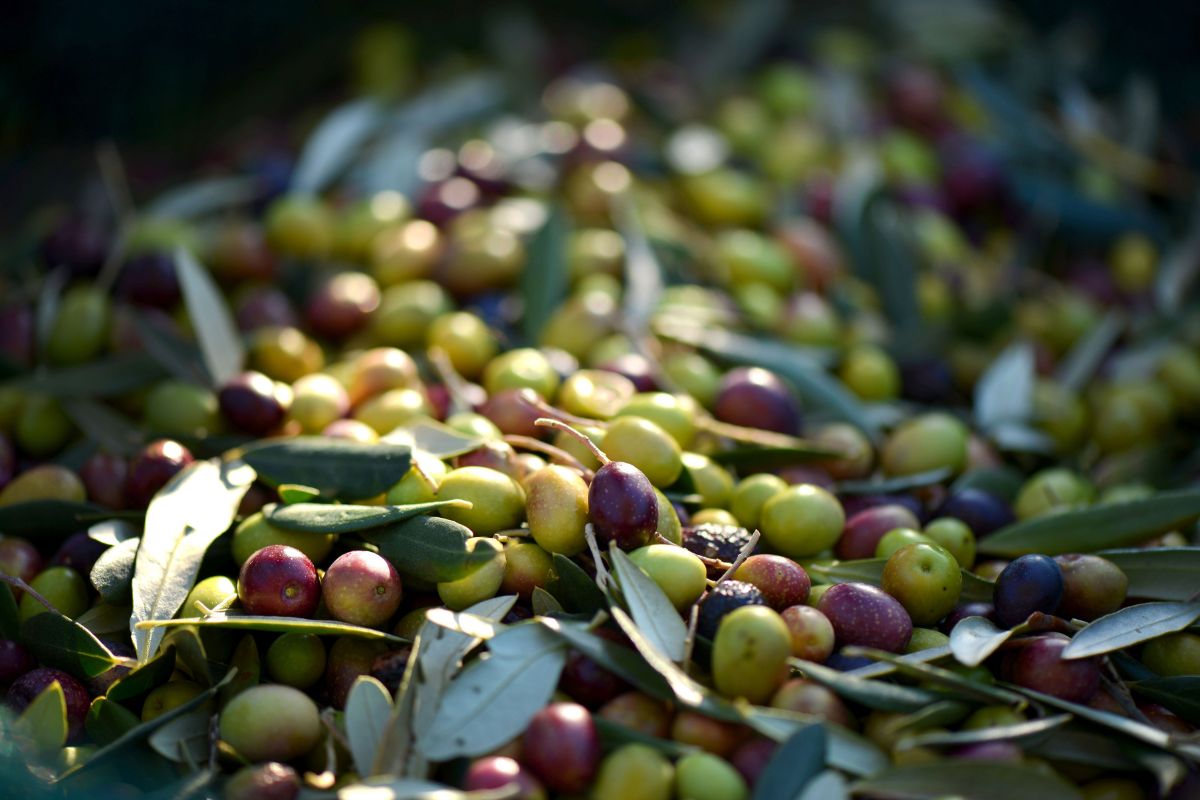
With its bright green color and fruity aroma, it’s the perfect choice for those who love rich, heady flavors without any bitter notes.
One key feature that sets it apart from other types of oil is its low acidity level: in fact, extra virgin olive oil never exceeds 0.8%, or 0.80 grams per 100 grams of product.
Extra Virgin Olive Oil
Extra virgin olive oil is a refined balance of flavor and versatility.
It is obtained from the second pressing of the olives, which is why it has a slightly more intense flavor profile than extra virgin olive oil.
This type of oil enhances flavors without ever compromising their quality.
The acidity level (expressed as oleic acid) of this type of oil is slightly higher than that of the previous one, ranging from 0.8% to 2%, or 2 grams per 100 grams of product.
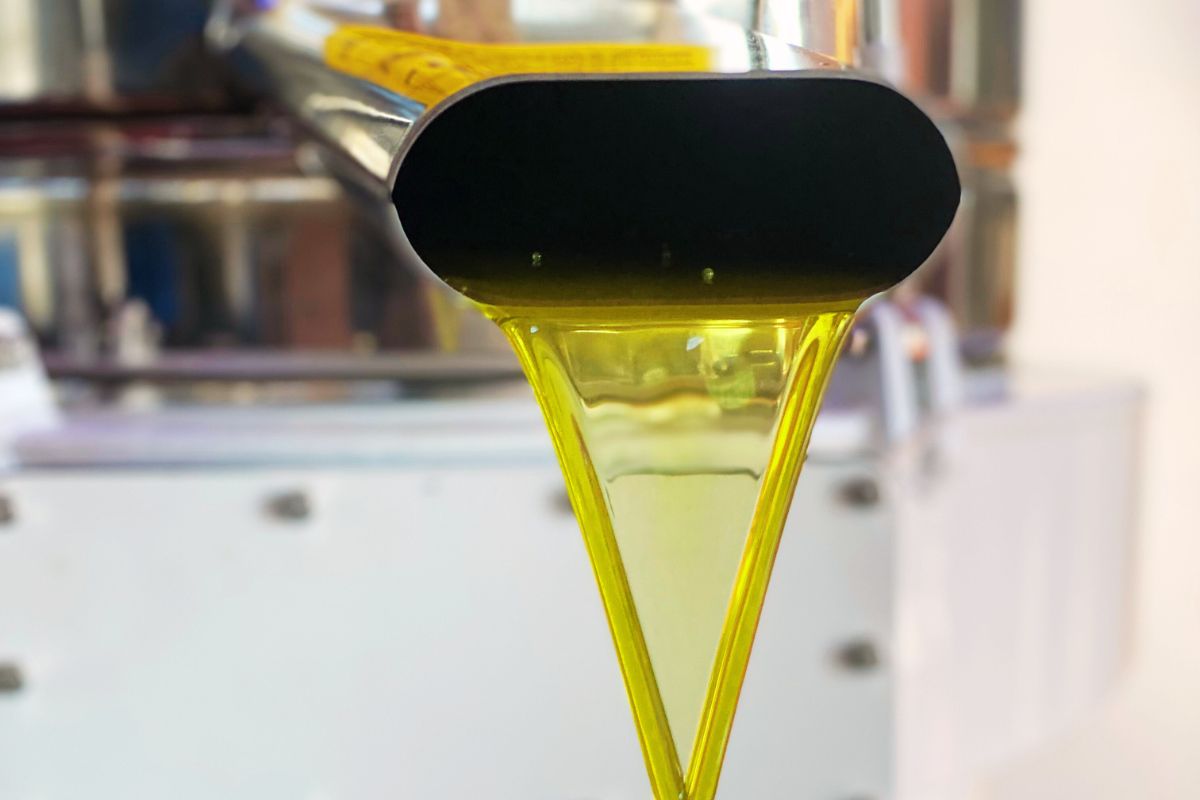
The color is also different: extra-virgin olive oil has a paler shade of yellow.
Lampante Oil
This is a “byproduct” oil, produced through the mechanical extraction of olives.
Its name “lampante” comes from the word “lamp”: in ancient times, it was used as fuel in oil lamps for domestic lighting or in industrial engines; or, alternatively, as a lubricant for heavy machinery or industrial equipment.
As we mentioned earlier, lampante oil is not edible and is characterized by an unpleasant odor, a dull yellow color, and a dark appearance.
Its acidity level is over 2%.
Characteristics of Olive Oil Based on Olive Varieties – Types of Olive Oil
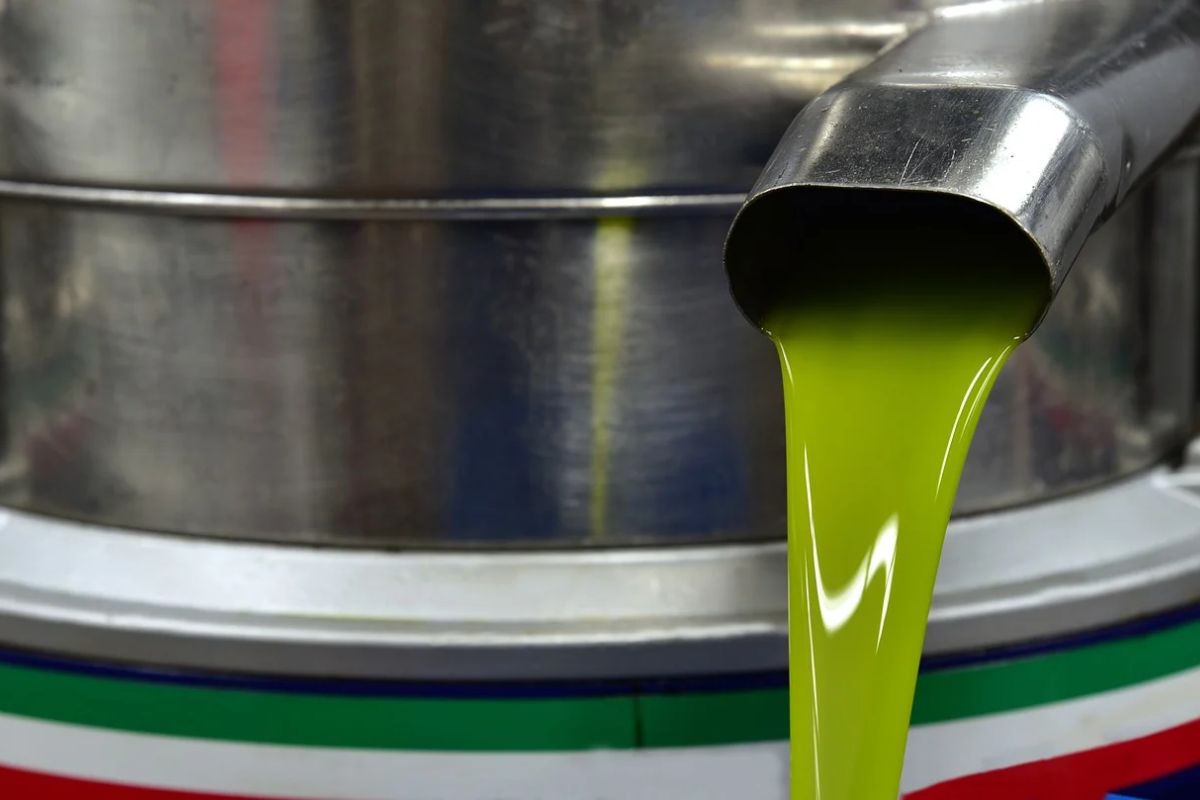
The variety of olives also affects the oil’s taste, color, and aroma: which of the two cultivars we grow has a fruitier taste, and which has a spicier one?
Let’s explore the characteristics of the oil produced from Leccino olives and the Favolosa olive tree.
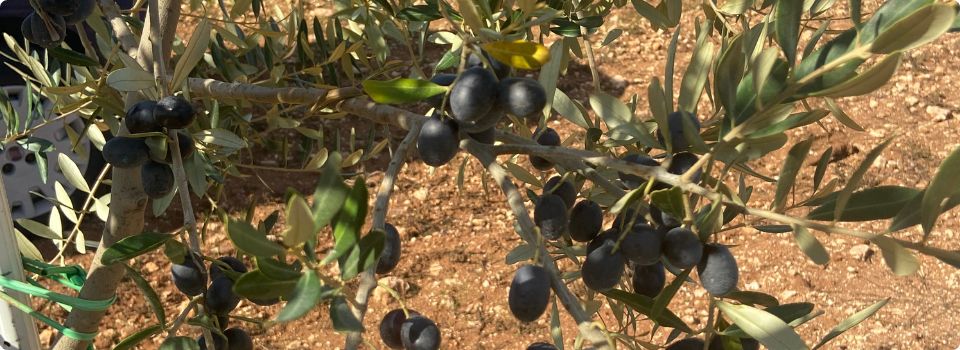
LECCINO VARIETY
With a delicate and elegant aroma, featuring hints of fresh olives, as if just picked, the oil derived from Leccino olives tends to have a more balanced flavor —much more harmonious and full-bodied—rich in sweet notes and with a mild intensity of bitterness and spiciness.
Color: very light green, with golden highlights.
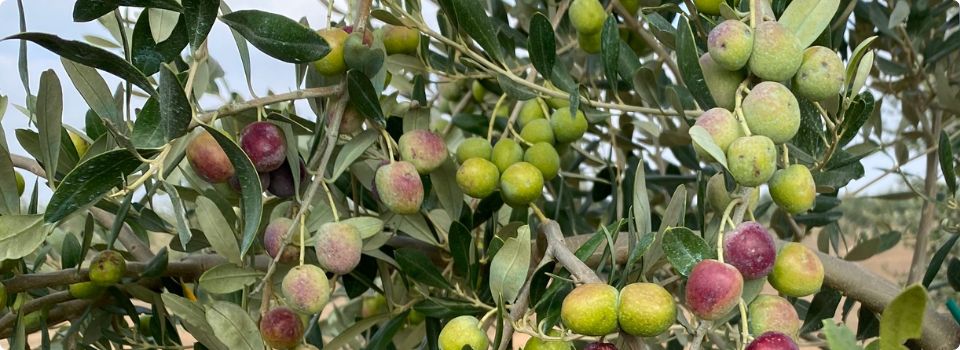
FAVOLOSA VARIETY
The oil produced from the Favolosa olive variety has a fruity flavor, with subtle bitter notes and a hint of spiciness. What makes the oil from this cultivar distinctive and unique is its flavor profile, which features pronounced tomato notes accompanied by hints of fresh vegetables.
Color: yellow with intense green highlights.