
 Age: 1 year
 Plants 1 new Olive tree
 CO2 absorbed: 150 kg/year
 Evo oil included:





Introduction - Greenwashing
In recent years, concern for the environment has grown exponentially, becoming a fundamental pillar in every sphere—both economic and social.
The reason? Consumers and businesses have become very sensitive to environmental issues and more aware of the impact their actions have on the planet; for this reason, they seek out or produce more sustainable products and services that reflect their ecological values.
Unfortunately, however, not all companies that claim to be “green”—that is, environmentally conscious—actually are. This phenomenon is known as“greenwashing.”
But, more specifically, what is greenwashing, and why do so many companies engage in it?
What Is Greenwashing?
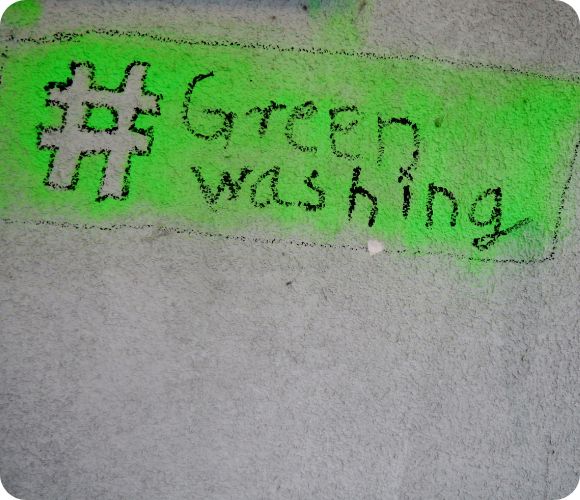
“Greenwashing” is a deceptive practice used by some companies to make their products and services appear more sustainable and their policies more environmentally friendly than they actually are (in short, a outright scam).
There is only one reason why these companies deceive consumers and suppliers: their company’s image.
In fact, they exploit consumers’ desire to make sustainable choices that do not harm the environment by using marketing strategies that present a green facade without any real underlying commitment. In short, it is a facade—a sort of “greenwashing.”
How to Spot Greenwashing
It’s not at all easy to distinguish genuine green initiatives from mere greenwashing tactics; certainly, there are some red flags and strategies that can help you determine whether a company is just pretending to be sustainable or is truly mindful of its environmental impact.
Here are some helpful tips:
Transparency as the Foundation
Transparency is essential—ALWAYS.
Stakeholders who interact with a company deserve to know exactly what they’re buying and what impact their purchase has on the Earth.
In particular, many suppliers and consumers prefer to choose companies that act responsibly and thoughtfully, as well as being environmentally conscious.
A company’s attention to the environment around it is seen asa sign of greater reliability and longevity, given its forward-thinking vision and willingness to invest in the future.


What Consumers Can Do
– Investigate and ask questions: Don’t be afraid to ask companies about their environmental practices.
– Support ethical companies: Back businesses that demonstrate a genuine commitment to sustainability and society.
– Learn about the various aspects of sustainability.
Greenwashing is a real problem, but with a little care and awareness, we can avoid its pitfalls.
The first step could be to choose projects that fund real, tangible sustainable activities;For our part, Olivami and our spin-off, Carborea, ensure the tangibility of the certified Italian carbon credits we generate, giving anyone the opportunity to come see and “touch firsthand” the results we’ve achieved.
Transparency and integrity are our guiding principles, because we believe that the trust of our consumers and the future of our planet are our most valuable assets, both now and in the future.