 Age: 1 year
 Plants 1 new Olive tree
 CO2 absorbed: 150 kg/year
 Evo oil included:




Introduction – The Charming Region of Salento
Today we’ll tell you about the origins, history, and symbols of a fascinating region: Salento.
The Salento Peninsula, located in the southernmost part of Apulia, is a small region rich in history, culture, and mystery.
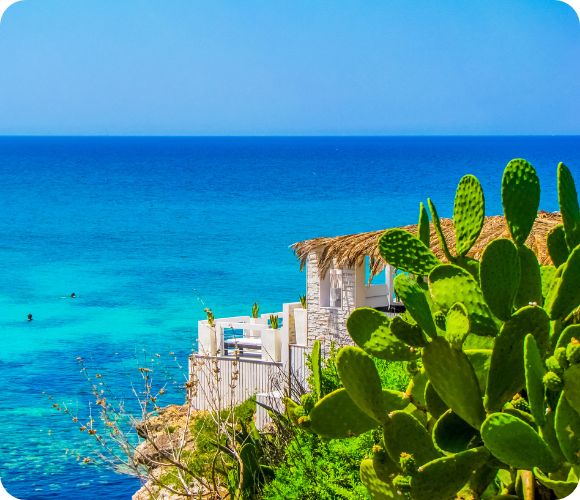
Best known for its enchanting beaches and crystal-clear sea, Salento actually also boasts a history stretching back thousands of years and countless symbols that have emerged over the years from local traditions—symbols of which the people of Salento are very proud.
But what makes Salento such a unique and wonderful place? Let’s find out together.

Why is it called Salento? – The origins of the name
Before we reveal all the secrets of our Salento, we need to find out where its name comes from and why it refers only to a specific area of Apulia.
There are several theories about the true origin of the name; the first is linked to the name of the inhabitants of anancient Messapian tribe that lived in this region, the “Salentinum,” from which the term “Salentini” derives today.
The second theory is that of the Greek historian Herodotus, according to whom the name “Salento” derives from Cretan settlers originally from the city of Salenzia who settled in this region and were called “Salenti.”
According to another theory, the term “Salento” is said to have originated with the Romans, who referred to the inhabitants of our region as “Sallentini.”
One thing is certain: the name “Salento” means “land between two seas,” the Ionian Sea and the Adriatic Sea.
The Symbols of Salento
Salento is rich in symbols that tell the story of its history, culture, and traditions. Among the most representative are:
1. THE TARANTA
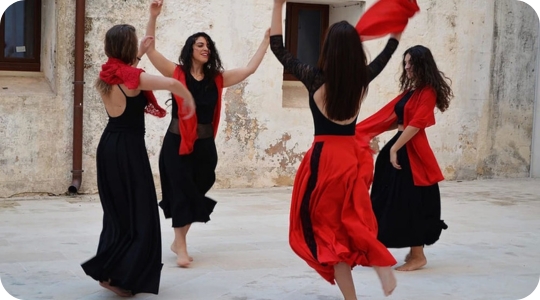
The pizzica dance, also known as the “Taranta,” is one of the most powerful and well-known symbols of Salento. This traditional dance, characterized by energetic and rhythmic movements, was originally used as a healing ritual for those who had been bitten by the tarantula (the spider). Today, it is performed at numerous festivals, the most famous of which is “La Notte della Taranta.”
2. THE PAJARE
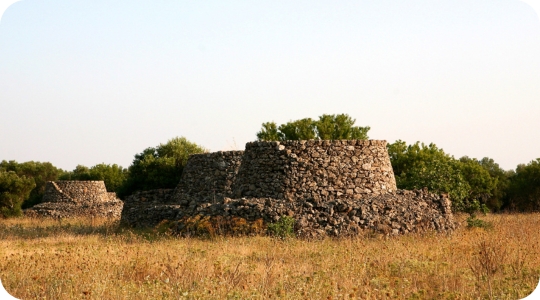
These unusual stone structures, found throughout much of the Salento countryside, are a defining feature of the Salento landscape. Built decades ago using the “dry stone wall” technique, the Pajare take their name from their primary and original function: storage for straw, which later became summer homes for farmers.
3. THE LECCE BAROQUE
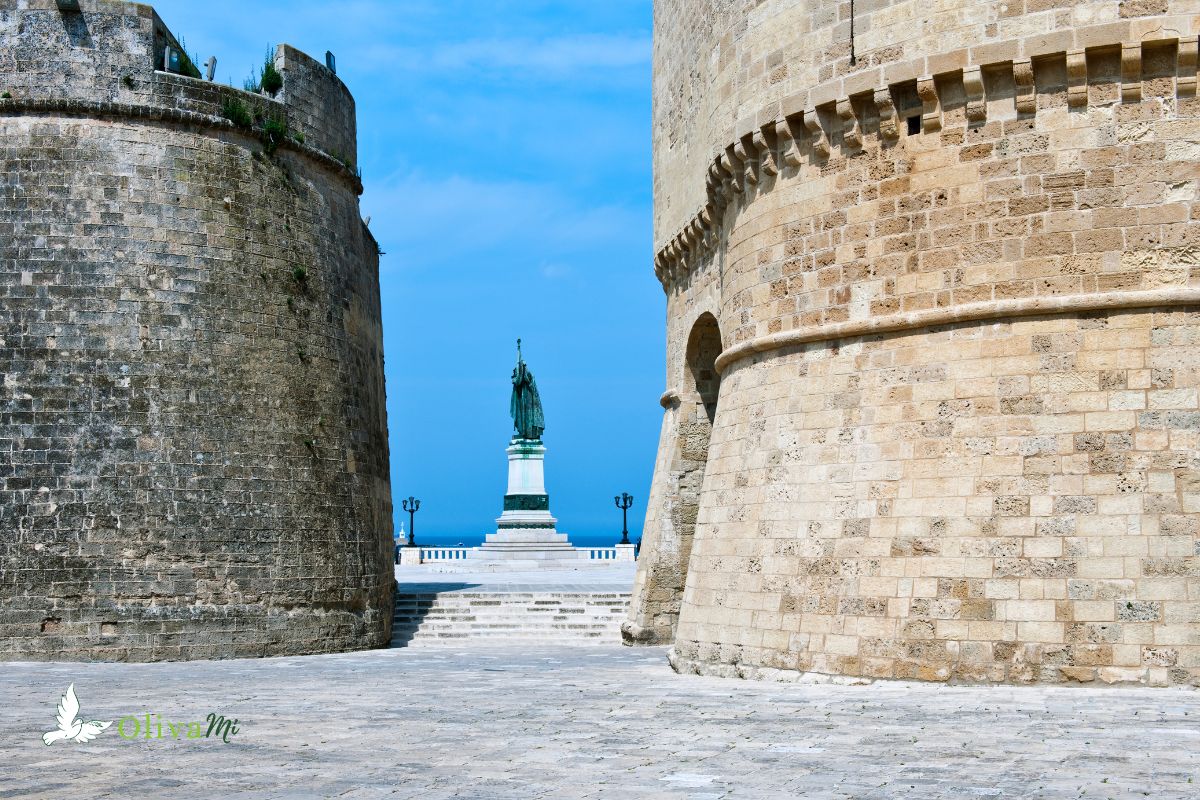
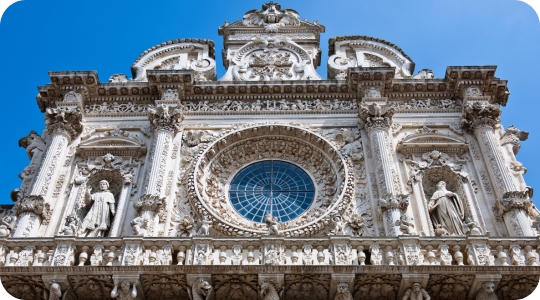
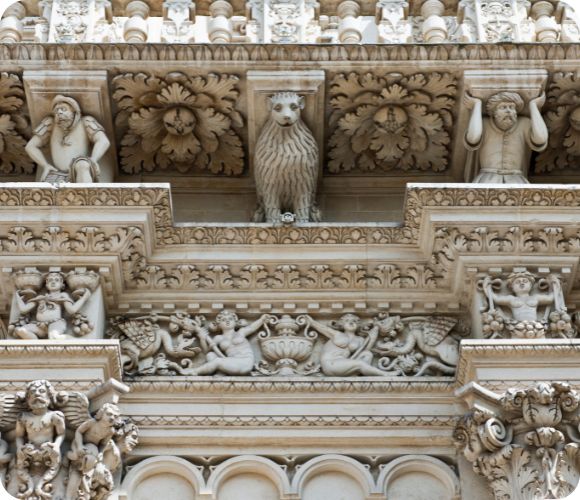
It is an architectural style rich in decoration; it is the most widespread in Salento, often rendered through sculptures in Lecce stone, a stone typical and characteristic of the area that has transformed countless Salento buildings into true masterpieces of art (just think of the marvelous Basilica of Santa Croce in Lecce), particularly in the beautiful city of Lecce, the capital of the Baroque.
3. THE SALENTINE SEA
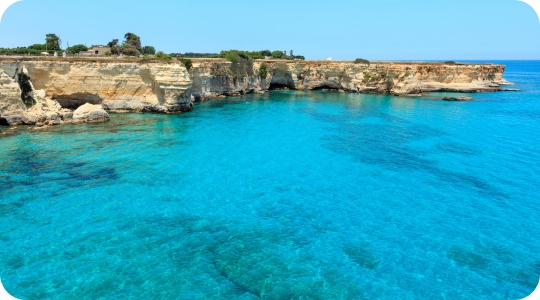
The Salento peninsula is surrounded by the sea—or rather, by two seas with two coastlines that have distinct characteristics: the Ionian Sea and the Adriatic Sea (read about the characteristics of the Ionian Coast — read about the characteristics of the Adriatic Coast). The only spot in Salento from which you can enjoy the view of where they meet is the Santa Maria di Leuca Lighthouse, the southernmost point of Apulia.
Characteristics of Salento
A land of contrasts and natural beauty possesses certain characteristics that make it unique:
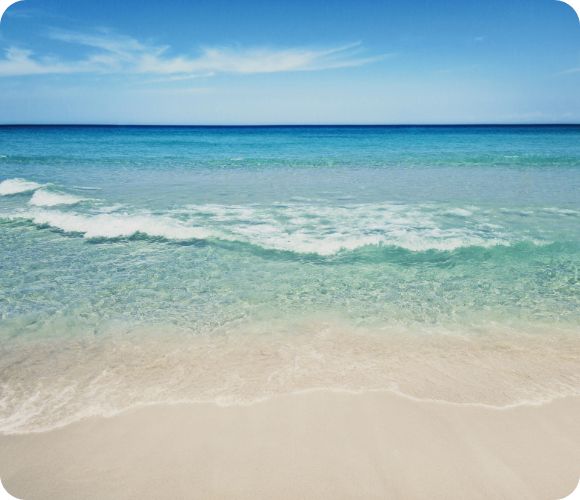
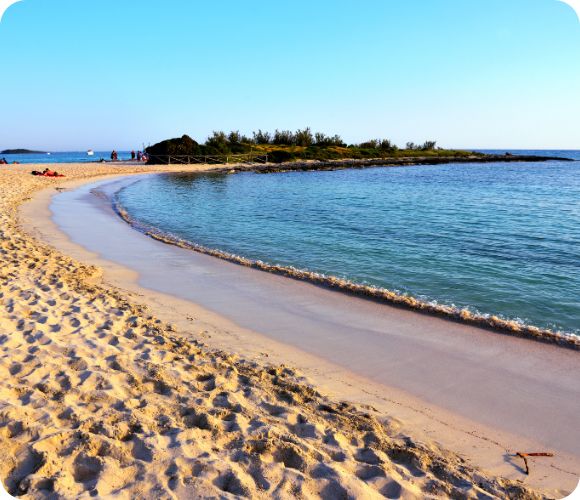
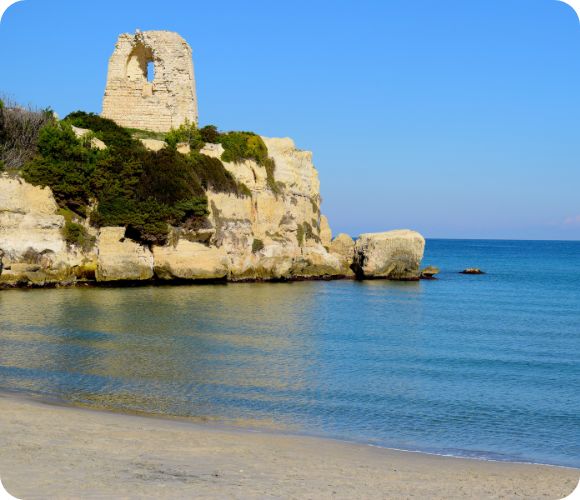
1. The Beaches: Here in Salento, you’re truly spoiled for choice. From Porto Cesareo to Otranto, via Gallipoli, Salento’s beaches are famous for their crystal-clear waters—it’s impossible to resist taking a dip.
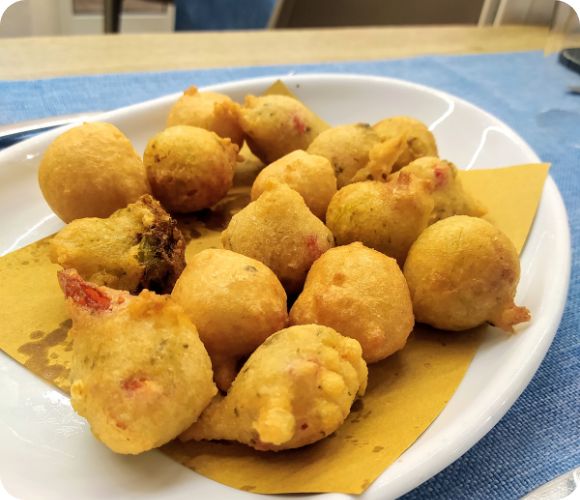
2. Food and Wine: authentic flavors, delicious products, and above all, mouthwatering treats.
There’s so much to say here, but we’ve decided to limit ourselves to mentioning pittule, the rustic Leccese pastry, frise, taralli, uliate, and pitta, to be paired with the highly prized Salento wine, then moving on to dessert with a delicious pasticciotto, cotognata, and mustaccioli, and finishing with a refreshing iced coffee with almond milk. Well, have we made you hungry? We assure you that the dishes certainly don’t end here.
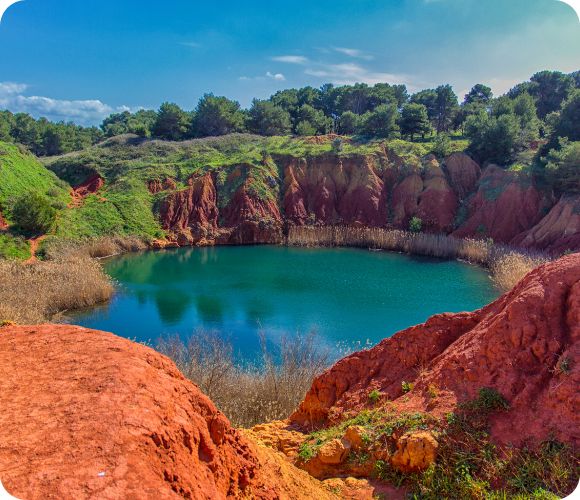
3. Art Cities: First and foremost is Lecce, also known as the “Florence of the South,” a Baroque gem with its historic buildings and majestic churches. But Otranto and the beautiful Gallipoli are certainly must-sees as well.
Characteristics of Salento
A land of contrasts and natural beauty possesses certain characteristics that make it unique:
1. The Beaches: Here in Salento, you’re truly spoiled for choice. From Porto Cesareo to Otranto, via Gallipoli, Salento’s beaches are famous for their crystal-clear waters—it’s impossible to resist taking a dip.
2. Food and Wine: authentic flavors, delicious products, and above all, mouthwatering treats.
There’s so much to say here, but we’ve decided to limit ourselves to mentioning pittule, the rustic Leccese pastry, frise, taralli, uliate, and pitta, to be paired with the highly prized Salento wine, then moving on to dessert with a delicious pasticciotto, cotognata, and mustaccioli, and finishing with a refreshing iced coffee with almond milk. Well, have we made you hungry? We assure you that the dishes certainly don’t end here.


3. Art Cities: First and foremost is Lecce, also known as the “Florence of the South,” a Baroque gem with its historic buildings and majestic churches. But Otranto and the beautiful Gallipoli are certainly must-sees as well.
The beauty of Salento doesn’t end there …
In addition to its visible beauty, Salento jealously guards many fascinating secrets, hidden in the caves and caverns carved into the sea and underground, in the historic centers of its towns, and in the minds of the people of Salento, along with legends, tales, and stories that are often enigmatic.
Salento is a region rich in natural beauty, where every corner tells a story: from golden beaches to ancient traditions, from cultural landmarks to legends that still captivate us today.
Come discover the secrets of Salento, let yourself be enchanted by its history, and immerse yourself in its unique atmosphere. With Olivami Club you can: adopt an olive tree and immediately receive a promotional code valid at all establishments affiliated with our association: hotels, spas, tourist services, farmhouses, and much more. You can plan your trip to Salento, help us rebuild the region, and take the opportunity to come see your olive tree.