 Age: 1 year
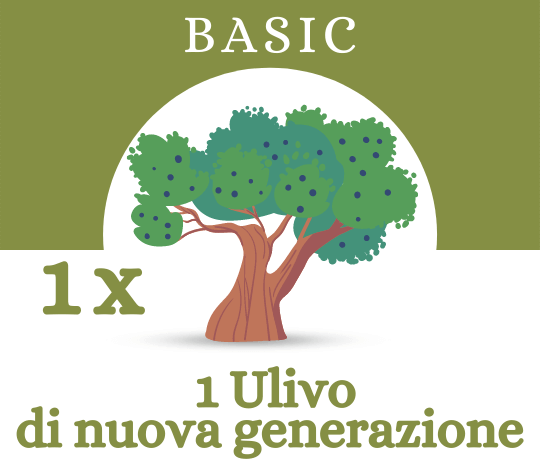
 Plants 1 new Olive tree
 CO2 absorbed: 150 kg/year
 Evo oil included:



Introduction – Traditions of Salento
Alongside all the Salento traditions that define our culture, an ancient craft continues to thrive:reed weaving.
It is a tradition that tells the story of and preserves the deep bond between humankind and nature, born from the hands of farmers. It is a body of knowledge that cannot be found in books, but is learned by observing, listening, and touching. A language made up of knots, curves, and patience. A thread that connects the past and the present, nature and culture, hands and heart.
But what can you create using this technique? Let’s find out together.👇🏻


An art form with deep historical roots
Reed weaving has ancient origins: it is an art passed down through generations of patient hands—women and men who transformed nature’s gifts into useful and beautiful objects: baskets, wicker baskets, and mats. Each woven piece was unique because it was handmade, just as the story of the person who made it is unique.
Today, as the world moves at a fast pace,basket weaving has become a symbol of mindful slowness. It is a ritual that requires time, attention, and above all, respect for natural cycles. The reeds must be harvested at the right time, left to dry, softened with water, and finally worked using ancient techniques that resemble a dance.
In-Depth Look: What Is a Reed?
Reed is a wild plant that grows in wet environments, such as ponds, marshes, riverbanks, and coastal areas. It is characterized by long, slender, flexible, and sturdy stems that are bright green in color; once dried, they take on lighter shades tending toward beige or light brown.
In Salento and many other regions of the Mediterranean, rushes are harvested by hand, left to dry in the sun, then softened with water, and finally woven to create everyday objects. It is, in fact, a humble yet resilient material.
More than just a technique: a true philosophy
Weaving rushes means making peace with time. It is an act that reconnects us, teaching us to make do with less and to value what we have more highly. It is a small miracle of sustainability, made of natural materials and skills that cannot be improvised but must be cultivated.
Just as we at Olivami cultivate a different vision of agriculture: participatory, regenerative, and in harmony with our land. Adopting an olive tree also means preserving a landscape, a culture, and a living memory.
Hands That Tell the Story of Salento’s Traditions
In some villages in Salento —from Tricase to Melendugno, from Alessano to the coast of Torre Chianca—you can still meet the last masters of basket weaving today. Their hands speak louder than words: they tell stories of childhoods spent under the sun, of communities that helped one another, and of rural creativity.
Some young people are also taking an interest in this art form, drawn by its authenticity and a desire to keep Salento’s traditions alive. And so, rush weaving is making a comeback in homes, at craft markets, and in summer workshops, where learning to weave is not just a hobby but a way to experience history firsthand.