
 Age: 1 year
 Plants 1 new Olive tree
 CO2 absorbed: 150 kg/year
 Evo oil included:





Introduction: “Reforestation”: What Does It Mean?
“Reforestation”: What Does It Mean? The word“reforestation” conjures up images in everyone’s mind of vast forests once again covering arid lands, bringing life and hope back to places where once there was only desolation.
But what does it actually mean, and how have we at OlivaMi chosen to make the concept of “reforestation” the cornerstone of our mission and our project?

The term “Reforestation” — What Does It Mean?
The term “reforestation” encompasses a very broad concept that is not limited to planting trees in forests or woodlands.
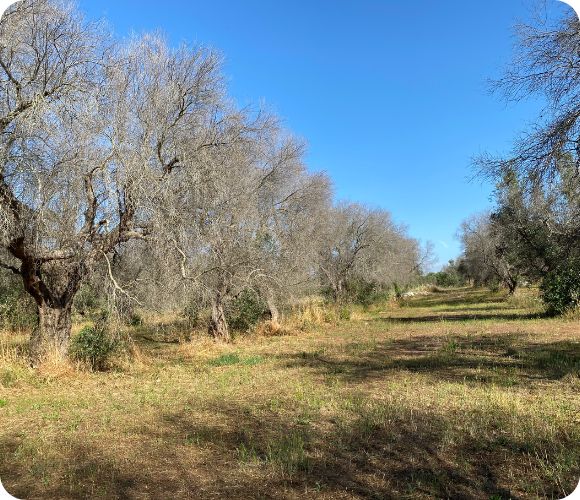
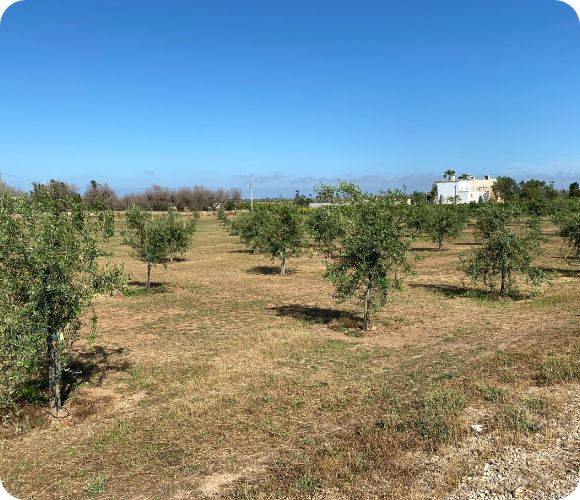
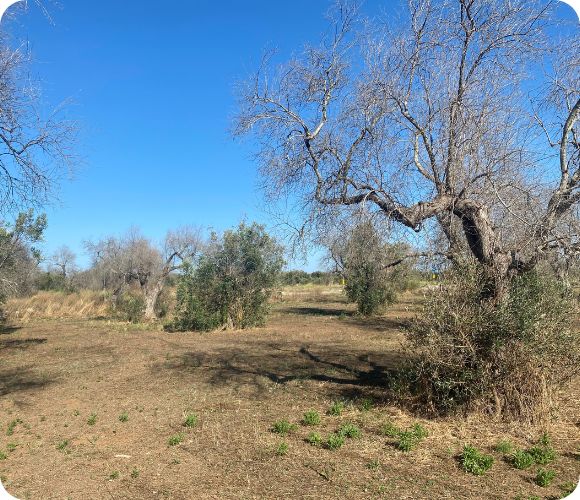
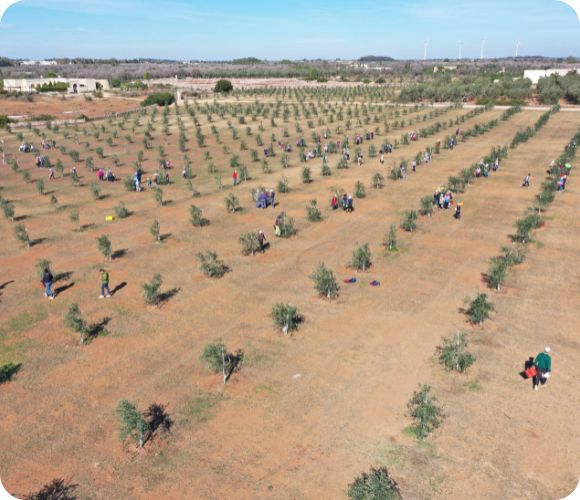
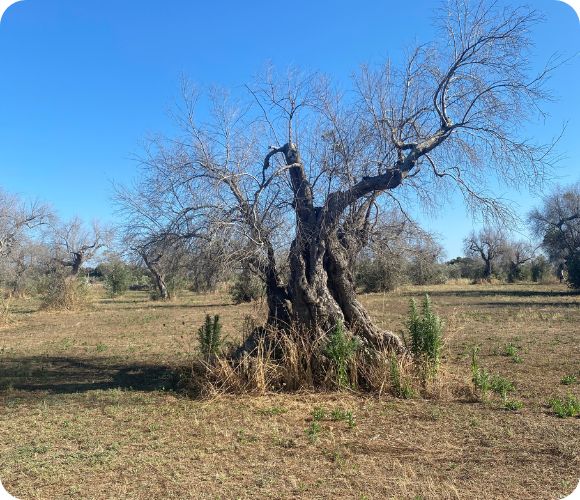
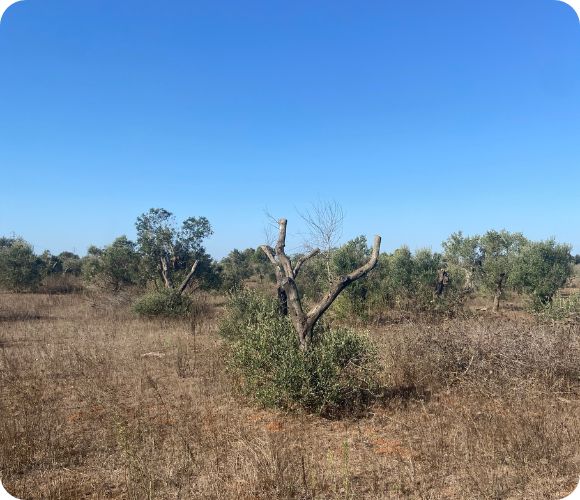
Reforestation means planting trees of various species in areas where they are no longer present for various reasons; in our case, our project focuses on replanting olive trees (and other species) in Salento, where they are no longer present—or perhaps it’s better to specify that there are only dead olive trees—due to Xylella (click here to read our in-depth article on Xylella).
For us at OlivaMi, reforestation is an act of caring for the Earth, one that allows us to give back what we have taken, regenerating not only the landscape but also life itself in all its forms.
Why We Decided to Reforest the Salento Region
In a world where climate change and deforestation threaten the survival of many species, reforestation is one of the most effective strategies for combating these crises.
Planting trees—the ultimate sustainable action—not only helps remove and offset CO2 in the atmosphere, but it also creates habitats for wildlife and improves air and soil quality.
However, our vision of reforestation goes beyond the individual olive tree. What does that mean? Our olive groves, in fact, are true ecosystems in which biodiversity—both plant and animal—is at the heart of everything.


Safeguarding Biodiversity: Our Promise
One of the key aspects of our approach to reforestation is our focus on biodiversity.
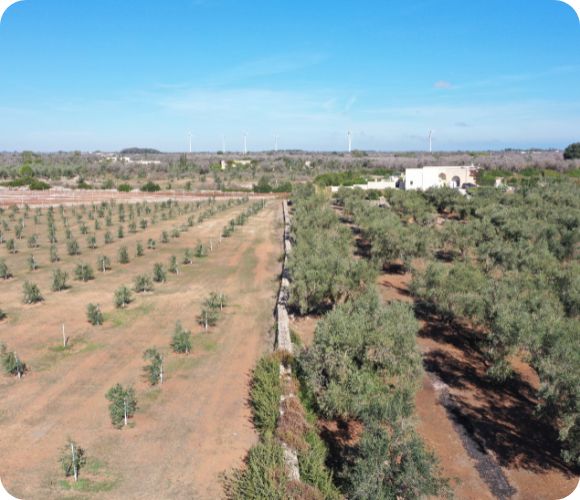
When we plant a new olive grove, we don’t just grow olive trees.
We introduce a variety of plant species that coexist harmoniously with the olive trees, creating a rich and diverse habitat while also supporting the growth and development of the olive trees themselves.
This approach strengthens theecosystem’s resilience and also improves plant and soil health.
In particular, we plant native plant species—such as holm oaks, fig trees, myrtle, and many others—along the perimeter to createa “natural barrier”capable of protecting the olive trees from insects that could pose a threat to them and from the wind.

Our Goal: A Sustainable Future
Our association was founded with the primary goal of revitalizing the Salento region by restoring the greenery of the Salento countryside—which was destroyed by Xylella—and giving our region, which has always been a land of olive trees (and an olive oil producer), back its identity and a future.
By adopting or donating one or more olive trees, you’ll help secure a future for Salento, restoring jobs to the 5,000 farmers who lost them due to the bacterium, helping to plant new olive trees, produce the renowned Salento olive oil, and remove carbon dioxide from the atmosphere, thereby mitigating the effects of climate change.
You can help us, too, and support our project: adopt one or more olive trees and receive the oil they produce every year.