
 Age: 1 year
 Plants 1 new Olive tree
 CO2 absorbed: 150 kg/year
 Evo oil included:





Introduction – Spittlebug and Xylella fastidiosa
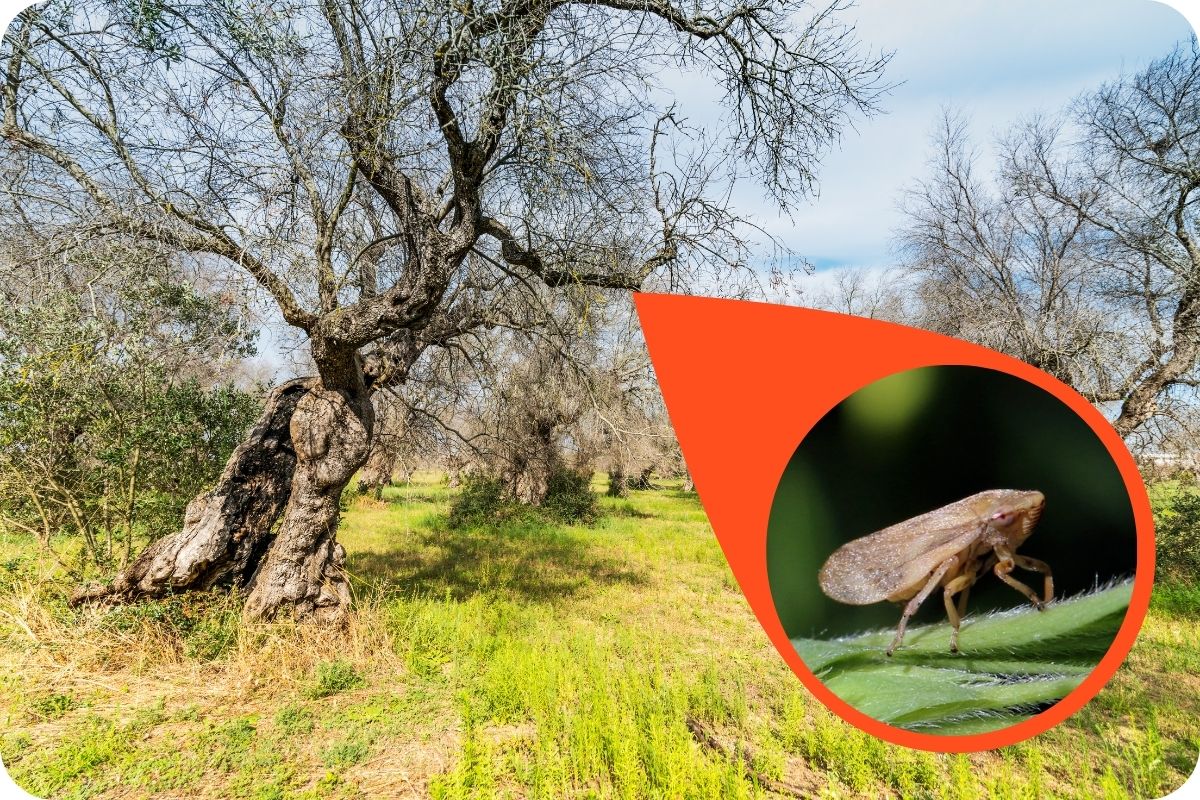
Xylella fastidiosa is a plant-pathogenic bacterium that has posed one of the most serious threats to agriculture and plant biodiversity worldwide in recent years. First identified in Italy in 2013, this pathogen has caused extensive damage, particularly to olive groves in the Salento region (click here to read the article “Xylella: An Unprecedented Battle” and learn about the origin of Xylella), but its ability to infect a wide range of plants makes it a threat to many other species as well.

A highly polyphagous bacterium
Xylella fastidiosa is known for its high polyphagy, that is, its ability to infect numerous plant species (ornamental, wild, and cultivated plants).
According to recent data, the total number of confirmed host species has risen to 452. In addition, a new host plant has been identified: the Cantabrian mountain oak.
This ongoing evolution and transformation has made—and continues to make—the management and control of the bacterium particularly complex.

Affected plant species
In addition to olive trees, Xylella fastidiosa can infect a wide range of plants. Among the most common species are:
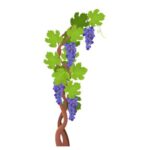
Grapevine (Vitis vinifera)
Due to Pierce’s disease, which causes the vines to wither and results in a loss of yield.
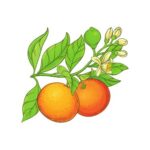
Citrus fruits (Citrus spp.)
It causes variegated chlorosis in citrus trees, which compromises both the quality and quantity of the fruit.

Almond Tree (Prunus dulcis)
It can cause the branches to wither and lead to a decrease in yield, drastically reducing its productivity.

Oleander (Nerium oleander)
It causes the leaves to scorch, compromising the plant’s appearance.

Coffee (Coffea spp.)
It can cause the branches to wither and the fruit to fall off.
The list of host plants is (unfortunately) constantly expanding, as new species susceptible to infection are identified. For example, 37 new plant species have recently been added to the list of host plants, including fleabane (Erigeron sp.), Helichrysum stoechas, pistachio (Pistacia vera), and persimmon (Diospyros kaki).
Modes of Spread and Transmission: How the Spittlebug Works
Xylella spreads primarily through insect vectors (such as the“spittlebug”) that feed on the xylem sap of infected plants, transferring the bacterium from one plant to another.
The transmission of the Xylella bacterium by the spittlebug occurs in three main stages:
- Acquisition of the bacterium: The spittlebug unknowingly feeds on an infected plant, and the bacterium enters its mouthparts, thus turning it into an infected vector insect. Xylella does not multiply inside the insect, but it can remain viable for several hours or days.
- Persistence and transport: The infected insect continues to move around and feed on new plants, carrying the bacterium within its mouthparts. Xylella can be transmitted immediately after infection or during subsequent bites.
- Grafting onto the new plant: When the spittlebug feeds on a healthy plant, the bacteria pass from the insect’s mouth to the xylem vessels of the new host plant. There, the bacteria begin to multiply rapidly, spreading through the xylem tissues and blocking the flow of sap.


Is there a solution?
Currently, there is no cure capable of saving olive trees and other plant species affected by the bacterium. This does not mean that these plant species can no longer be planted. For olive trees, for example, attention must be paid to the cultivar: here in Salento, olive trees that are not tolerant or resistant to the bacterium cannot be planted.
In fact, our association promotesthe adoption of olive trees of the Leccino, Favolosa, Leccio del Corno, and Lecciana varieties, with the goal of rebuilding the Salento region, which was destroyed by the bacterium. We issue a certificate bearing the olive tree’s name and recognize the oil produced by that tree.
Find out all the details on how to adopt or give an olive tree as a gift to support the revitalization of Salento!