
 Age: 1 year
 Plants 1 new Olive tree
 CO2 absorbed: 150 kg/year
 Evo oil included:




Introduction – Olive Trees in the Ecosystem
How many times have you wondered what role olive trees play in the ecosystem?
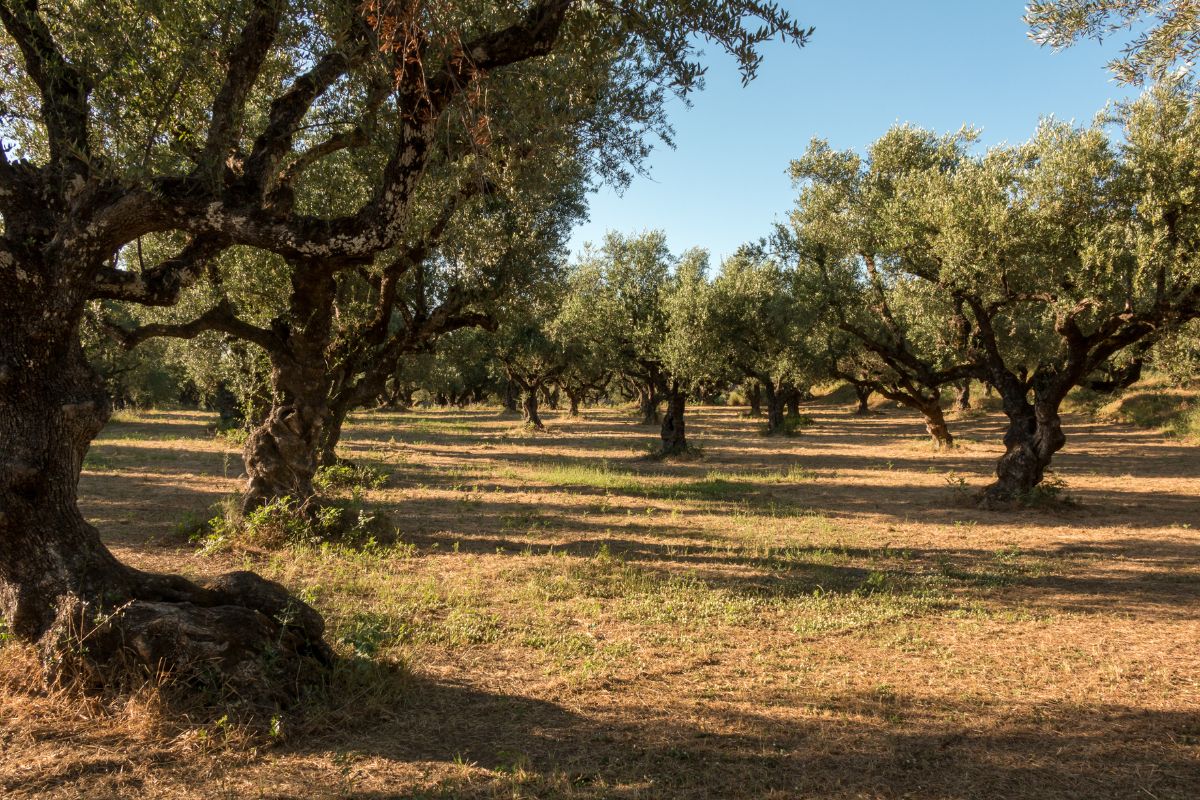
Olive trees are not only trees that can live for centuries or even millennia, or that produce a prized fruit; they are true pillars of the Mediterranean ecosystem. Their presence, a hallmark of the Salento landscape, provides us with extra virgin olive oil of the highest quality and, at the same time, plays a vital role in protecting the environment and biodiversity.
Let’s find out together why they play such an important role in the ecosystem.👇🏻

Olive Trees and Biodiversity: A Habitat for Life
An olive grove is a veritable microcosm of biodiversity. The canopies of olive trees provide shelter for numerous species of birds, insects, and small mammals, while the soil around the roots is home to a variety of wild herbs, fungi, and beneficial microorganisms.
- Pollinating insects such as bees and butterflies find a valuable source of food in the blossoms of olive trees.
- Migratory birds use olive groves as resting and nesting areas, contributing to the conservation of these species.
- Small mammals and reptiles take refuge in the shade of the olive trees, inside their trunks, and among the dry-stone walls that mark the perimeter—all of which are essential to the balance of the ecosystem.
Olive trees, therefore, not only coexist with nature, but also play a fundamental role in the ecosystem: they protect and enrich it.

Another Role of Olive Trees in the Ecosystem: Defenders of the Soil
With their deep and resilient root system, olive trees play another important role: they help to:
- To compact the soil and fpromote water absorption
- Creating a cover for certain plants
- Maintaining Soil Fertility

Soil Stabilization
Olive trees help prevent runoff: their leaves and branches slow the fall of rain onto the ground, reducing the force with which the water hits the soil and limiting surface erosion.
Vegetation cover
Many plant (and animal) species grow and live at the base of olive trees, thanks to the shade they provide, helping to create a small, balanced, and stable ecosystem.

Soil Fertility
They prevent desertification in arid areas and promote the growth and survival of certain plant species at the base of their trunks, in the shade of their canopies.
Olive Trees: The Green Lungs of the Mediterranean
All trees are essential for absorb carbon dioxide (CO₂) and produce oxygen, and olive trees are no exception; in fact, they have a high capacity for absorbing CO2. These evergreen trees:
- They capture CO₂ from the atmosphere, helping to reduce greenhouse gases.
- They produce oxygen through photosynthesis, improving air quality.
- They can withstand extreme weather conditions, adapting to drought and poor soil.
Their ability to sequester carbon dioxide, which makes them natural allies in the fight against climate change, can also be certified to offset actual activities through the purchase of carbon credits (find out what they are by reading our article“Carbon Credits for a Sustainable Future”).

A Heritage to Preserve
We all know it: olive trees are much more than just trees! They are Witnesses to the Past, champions of biodiversity, allies of the soil and natural shields against climate change. Preserving them means ensuring a greener and healthier future for everyone.
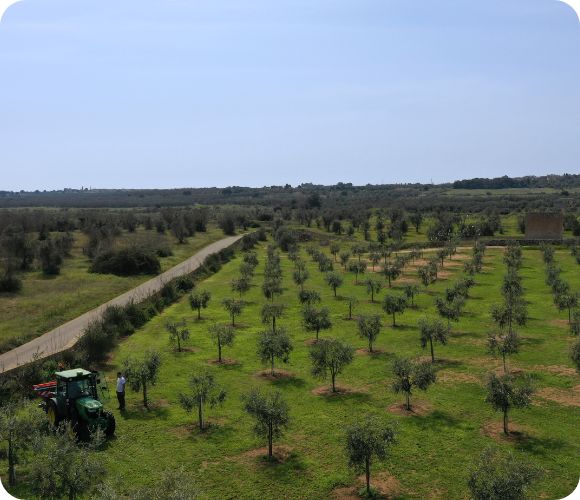
Through initiatives such as OlivaMi, you can adopt an olive tree and actively contribute to the reforestation of Salento, thereby supporting the recovery of a region devastated by Xylella; you can name the olive tree after yourself and enjoy the oil it produces every year.
Find out how to adopt your own olive tree: visit our website!