
 Age: 1 year
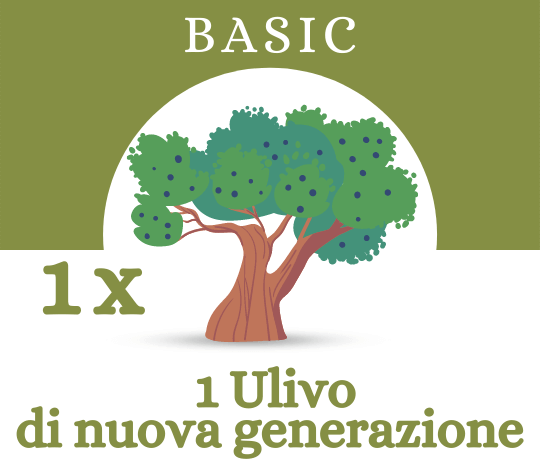
 Plants 1 new Olive tree
 CO2 absorbed: 150 kg/year
 Evo oil included:




Introduction
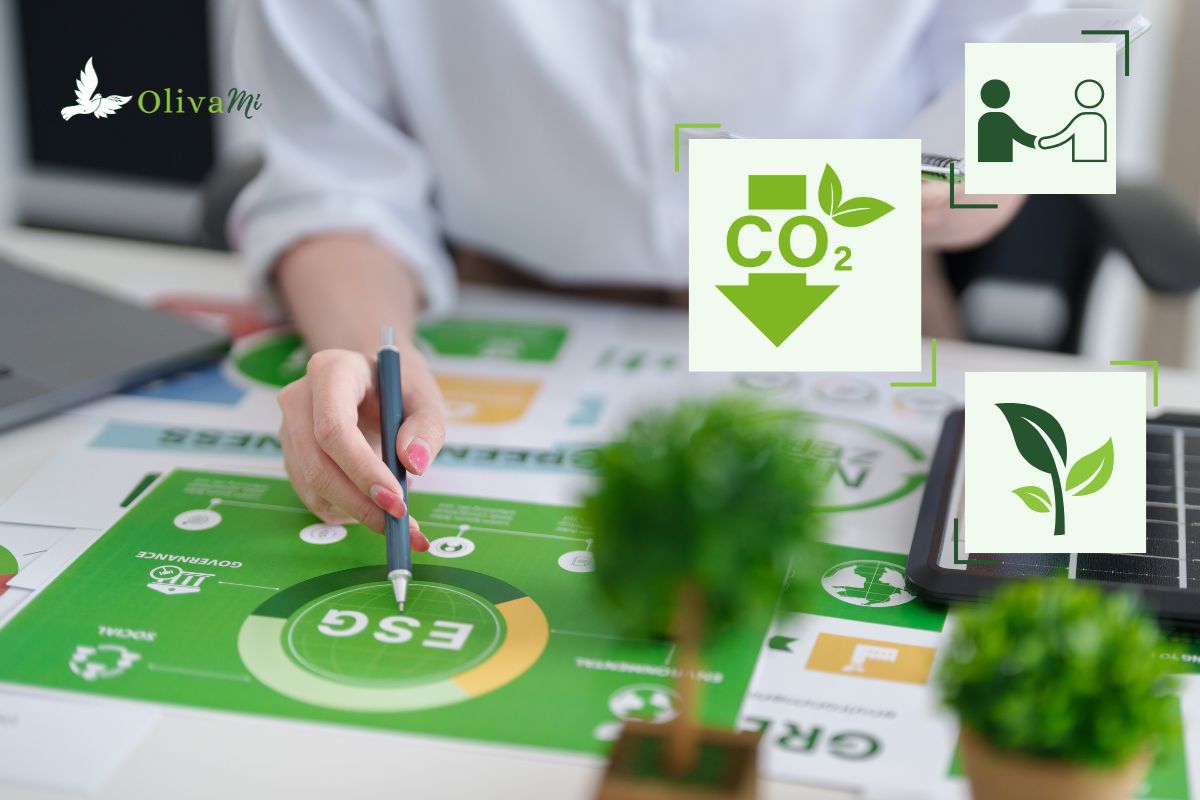
In a context where sustainability and environmental responsibility are strategic priorities, the CO₂ offsetting is a key tool for companies seeking to mitigate their environmental impact.
But what exactly does CO₂ offsetting mean? And how do you choose projects that are truly credible? In this article, we’ll explain clearly and thoroughly what CO₂ offset projects and what requirements they must meet to ensure a real and verifiable environmental benefit.
What is a CO2 offset project?
A CO2 offset project consists of concrete, measurable actions that absorb or prevent greenhouse gas emissions (primarily CO2), thereby offsetting the carbon footprint of human activities. These projects may involve:
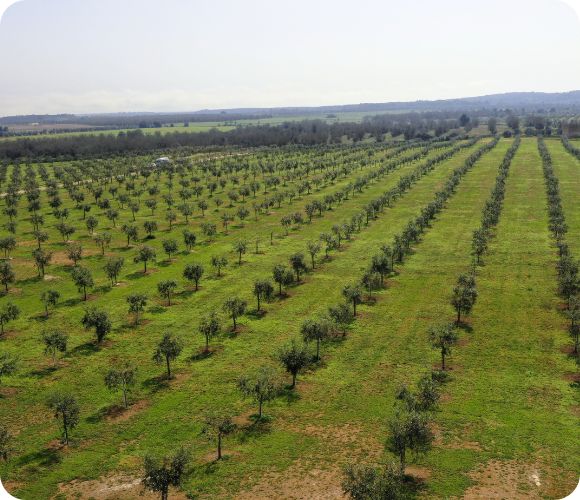
- Reforestation and afforestation: planting new trees and creating green spaces that absorb CO2 from the atmosphere as they grow.
- Renewable energy: wind, solar, or hydroelectric power plants that replace fossil fuels, thereby reducing emissions.
- Energy efficiency: improvements that reduce energy consumption and associated emissions.
- Methane from landfills or agriculture: capturing biogas that would otherwise be released into the atmosphere as methane.
Why Quality Standards Are Essential
Not all CO₂ offset projects are the same. To be reliable and generate tangible benefits, they must meet strict criteria that demonstrate their actual climate benefits. Here are the main requirements:
- Additionality: Without the financing of the credits, the project would not have been carried out. This ensures that emissions are actually reduced as a result of the financial contribution.
- Measurability: CO₂ reductions or removals must be quantified using certified methods.
- Permanence: the commitment to maintain environmental benefits over a significant period of time (for example, ensuring that a facility is not dismantled after just a few years).
- Uniqueness/no double counting: A credit can be used only once—the climate benefit cannot be claimed by two different parties.
- Independent verification: Third-party auditors must validate the figures, methodologies, and actual implementation of the project.
- Co-benefit contributions: In addition to CO₂, eligible projects often yield environmental, social, and community benefits (e.g., biodiversity, rural development, health).
In addition to the most well-known international standards, innovative methodologies that take regional characteristics into account are gaining ground. In this context, Carborea has developed its own methodology for quantifying and certifying carbon credits (EX-POST certified by Climate Standard), validated by RINA, an international certification body. This ensures transparency, scientific rigor, and the reliability of the generated credits, further strengthening the credibility of projects in Italy.
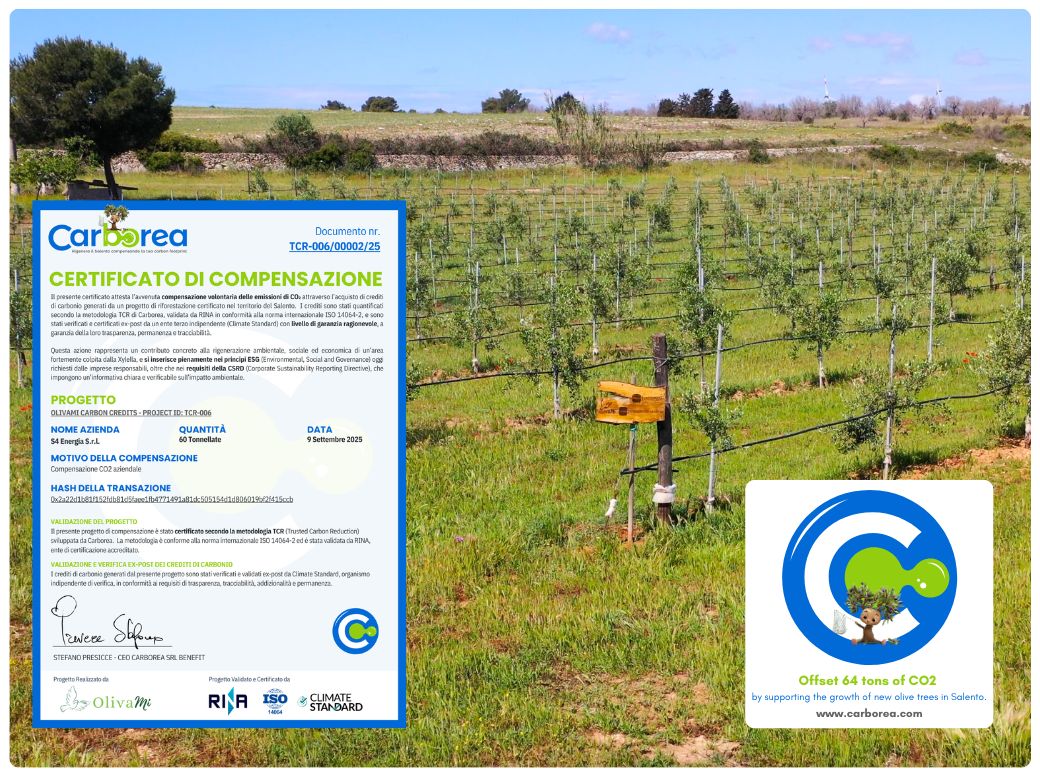
Why choose certified Italian carbon credits?
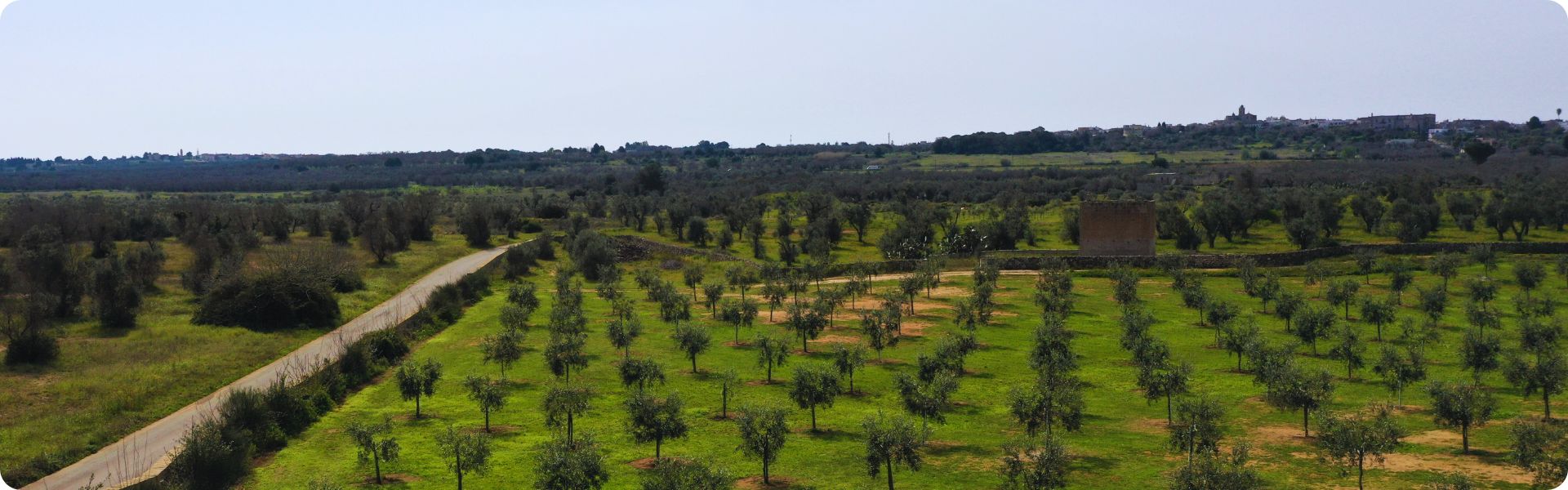
Choosing to offset CO₂ in Italy by purchasing certified Italian carbon credits means supporting local, tangible, verified, and verifiable projects. Through Olivami and Carborea, you’ll have the opportunity to contribute to the protection of Salento’s olive groves and the restoration of green areas previously destroyed by the Xylella bacterium, ensuring:
- Transparency Through Credit Traceability: Projects are audited and certificates are publicly registered.
- Tangible impacts in our region: We support Italian projects that bring environmental and economic benefits to local communities and biodiversity.
- Direct contact and personalized consulting: We’ll guide you through the compensation process in line with your company’s goals.
If you want to learn about the available projects and purchase verified Italian carbon credits , visit our dedicated page: Buy Italian Carbon Credits—we’ll provide you with all the information you need and connect you with our experts to develop a strategic, tailor-made approach for your company.
Italian CO2 Offset Projects
CO₂ offset projects are essential tools for any organization that wants to embark on a serious and measurable path toward sustainability. But their effectiveness depends on quality standards: they must be additional, measurable, permanent, verified, and free of double counting. Only in this way can real and credible value be created.
And when this compensation also leads to environmental, social, and economic regeneration—as is the case here in Salento—it becomes an act of responsibility toward the planet and the communities that live on it.
If your company would like to offset its emissions by funding Italian CO2 offset projects, contact us: our team will be ready to support you every step of the way.